
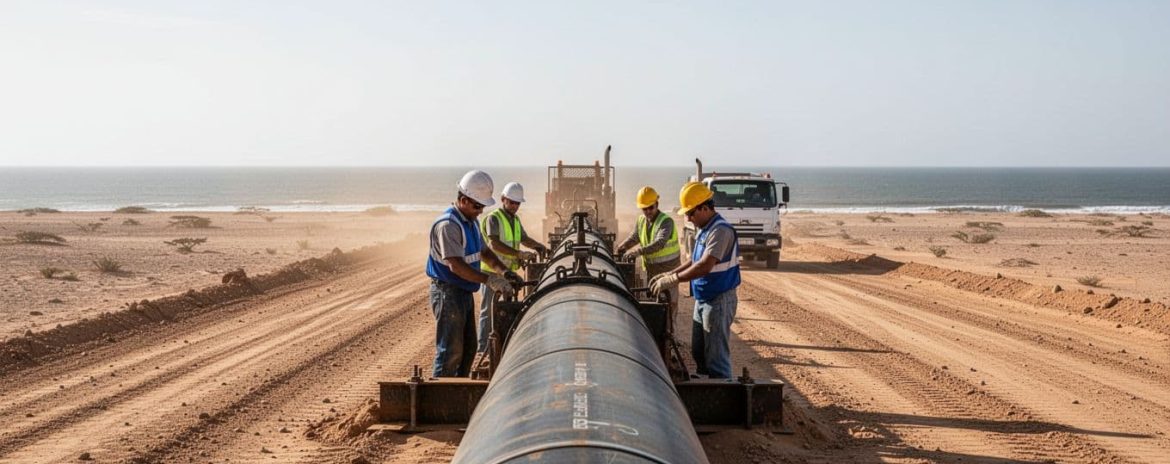
Kenya gears up for its first oil exports from Turkana in December 2026. Gulf Energy, a local firm, bought the fields from Tullow Oil last year for $120 million. This move promises jobs and growth in a remote area long overlooked.
You live in Kenya, so these changes affect you directly. Oil production brings construction work and better roads, for example. In addition, laws protect communities from harm and ensure fair shares of revenue. Without clear rules, disputes could arise over land or pollution.
That’s where Oil and Gas Law in Kenya comes in. The Petroleum Act 2019 forms the backbone. It sets licensing rules, environmental safeguards, and benefit-sharing terms. Companies must consult locals before drilling, as a result.
Recent updates build on this act. Parliament approved Gulf’s project early this year. Drilling starts in January 2026 at 20,000 barrels per day. Plans call for 50,000 barrels by 2032 after a $6 billion investment.
Why does this matter now? Kenya needs steady energy and cash flow. Poor handling could spark protests, however. Strong laws prevent that by mandating jobs for Kenyans and community funds.
This post breaks it down step by step. First, we cover the Petroleum Act’s key rules on exploration and production. Next, look at 2026 timelines and Gulf Energy’s role. Then, explore local benefits like royalties and protections.
In addition, we’ll review contracts, taxes, and disputes. Finally, tips help you if oil affects your land or business. Keep reading to grasp how these laws shape Kenya’s future.
What the Petroleum Act 2019 Covers in Kenya’s Oil Sector
The Petroleum Act 2019 serves as the main pillar of Oil and Gas Law in Kenya. It regulates exploration, development, and production across the upstream sector. As of April 2026, no amendments have changed it. Therefore, companies follow its rules for licenses and operations. The act splits Kenya’s land into blocks under Section 15(1). It also outlines bidding processes to attract investors. In addition, a National Upstream Petroleum Advisory Committee provides guidance on these matters. Kenya’s basins, like Lamu, Anza, and the Tertiary Rift, hold promise. South Lokichar in Turkana offers a real example, where discoveries fuel excitement.
Core Rules for Exploration and Production
Companies start with an exploration license. This grant lets them survey blocks for oil or gas. They use seismic tests and other methods. Next, they apply for a drilling permit. The government approves it after environmental checks. Once they find commercial reserves, production rights kick in. These allow extraction and sales under Petroleum Sharing Contracts, or PSCs.
Kenya divides its territory into blocks for efficiency. The country counts 63 blocks across four basins. Twelve sit under license with four companies. The rest, 51, remain open. Lamu Basin hugs the east coast. Anza Basin lies north. Mandera Basin adds potential up there too. The Tertiary Rift Basin covers Turkana and South Lokichar. Government efforts reconfigure smaller blocks into larger ones. This change draws big investors by simplifying bids.
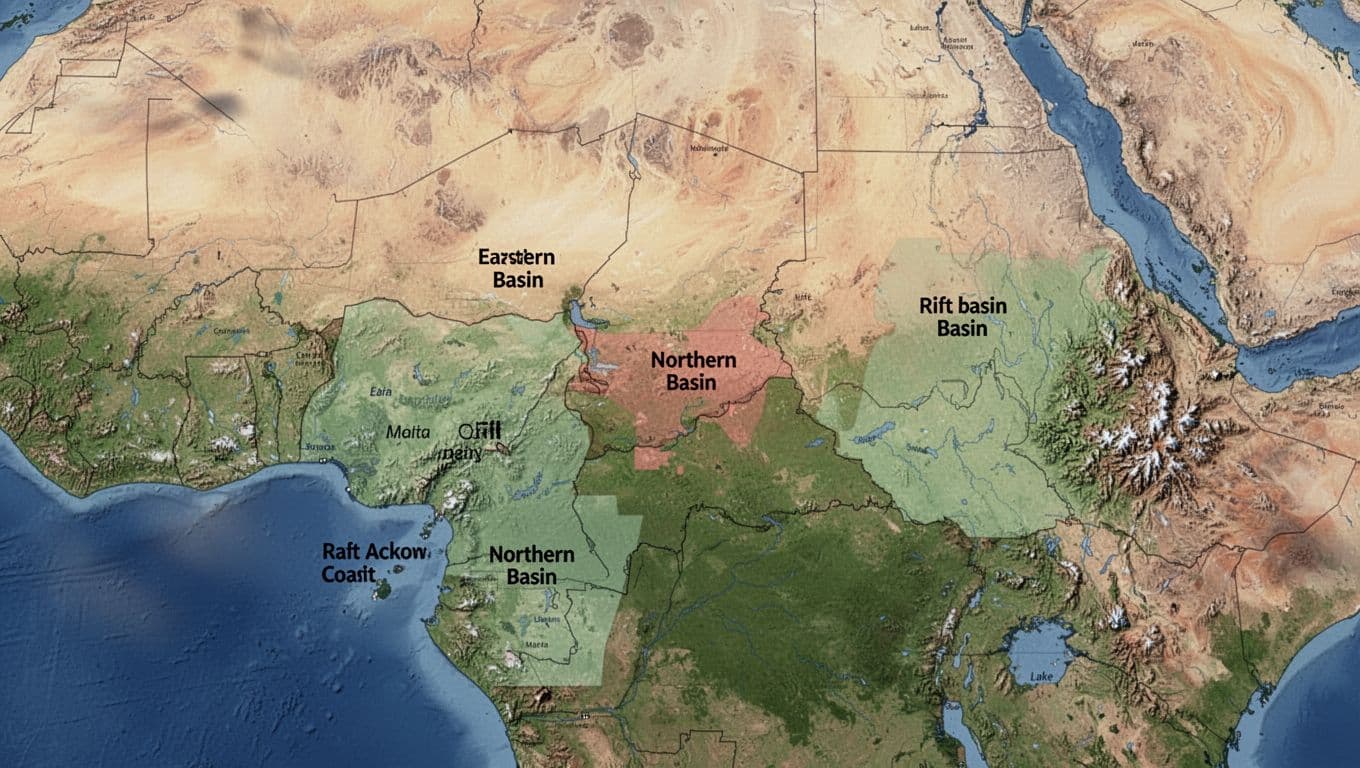
Consider South Lokichar. Tullow Oil drilled there first. Gulf Energy now leads after buying assets. The act demands local consultations before work starts. Blocks follow strict sizes for fair competition. Bidding happens openly. Winners sign PSCs with the Cabinet Secretary. These contracts share profits after costs. Kenya keeps a work share too.
Firms must report data regularly. They follow safety standards. If they drill, communities get funds. This setup balances growth and protection. Investors eye the 2026 licensing round. Larger blocks make entry easier. As a result, production nears in Turkana.
How EPRA Oversees the Process
EPRA, or the Energy and Petroleum Regulatory Authority, plays a key role in Oil and Gas Law in Kenya. It handles bidding for new licenses. EPRA also manages a national data center. This center shares seismic info with bidders. Compliance falls under its watch too. Companies submit plans for approval.
EPRA focuses on midstream and downstream mainly. However, it supports upstream through oversight. The Cabinet Secretary leads PSCs. EPRA steps in for price controls and standards. For example, it fights fake fuel sales. In bidding, EPRA reviews applications. It ensures fairness.

The national data center boosts 2026 rounds. Investors access past drill results there. EPRA verifies compliance during operations. Firms report production volumes. They meet environmental rules. Violations bring fines or license loss.
Take Gulf Energy’s project. EPRA checks their plans now. It demands Kenyan jobs and local buys. Data sharing cuts risks for newcomers. As a result, more firms join. EPRA sets fuel prices monthly too. This links upstream to daily life.
Besides, EPRA builds capacity. It trains staff on regulations. Communities benefit from transparent bids. Strong oversight prevents shortcuts. Kenya gains steady revenue. Production starts soon, so EPRA’s role grows.
Step-by-Step Guide to Getting Oil and Gas Licenses in Kenya
Companies follow a clear path under Oil and Gas Law in Kenya to secure licenses. The Petroleum Act 2019 sets the rules. EPRA oversees the process. First, grasp the bidding system. Next, understand contracts. After that, prepare for 2026 rounds. This guide walks you through it.
The Competitive Bidding Process
EPRA leads competitive bidding rounds. They ensure openness and fairness. The process starts with a block announcement. The Cabinet Secretary issues a Gazette notice. This lists available blocks. An advisory committee helps select high-potential areas.
Next, bidders access data. EPRA’s national petroleum data centre provides seismic surveys and well logs. Investors review this info before bids. It reduces risks. Companies prepare strong proposals. They detail plans for exploration and local benefits.
Bids go to EPRA after the deadline. Evaluators score them on merit. Factors include technical skills and financial strength. Top scorers advance. The government awards licenses to winners.
Reconfiguration boosts this system. Kenya redesigned 63 old blocks into 50 larger ones. These focus on promising zones. Larger blocks attract big firms. They lower costs for seismic work. As a result, more investment flows in.
Consider the benefits. High-potential areas get priority. Bidders compete fairly. Local jobs increase. Communities gain from funds. EPRA verifies compliance at each step.

In short, bidding favors prepared firms. Follow EPRA updates closely.
Details Inside Production Sharing Contracts
Winners sign Production Sharing Contracts, or PSCs. These form the heart of Oil and Gas Law in Kenya. Companies recover costs first. Then, they split profits with the government. The Petroleum Act 2019 shapes these terms.
Start with cost recovery. Firms deduct exploration and drilling expenses from output. They take oil or gas up to a limit, say 50-70%. This covers risks. Next, profit oil splits. Kenya gets 55-65% typically. Companies take the rest.
Bonuses add value. Signature bonuses pay upfront. Production bonuses follow milestones. These ensure quick government revenue.
The National Petroleum Policy ties it together. It demands fairness. Local content rules apply. Firms hire Kenyans and buy supplies here. Communities receive shares too.
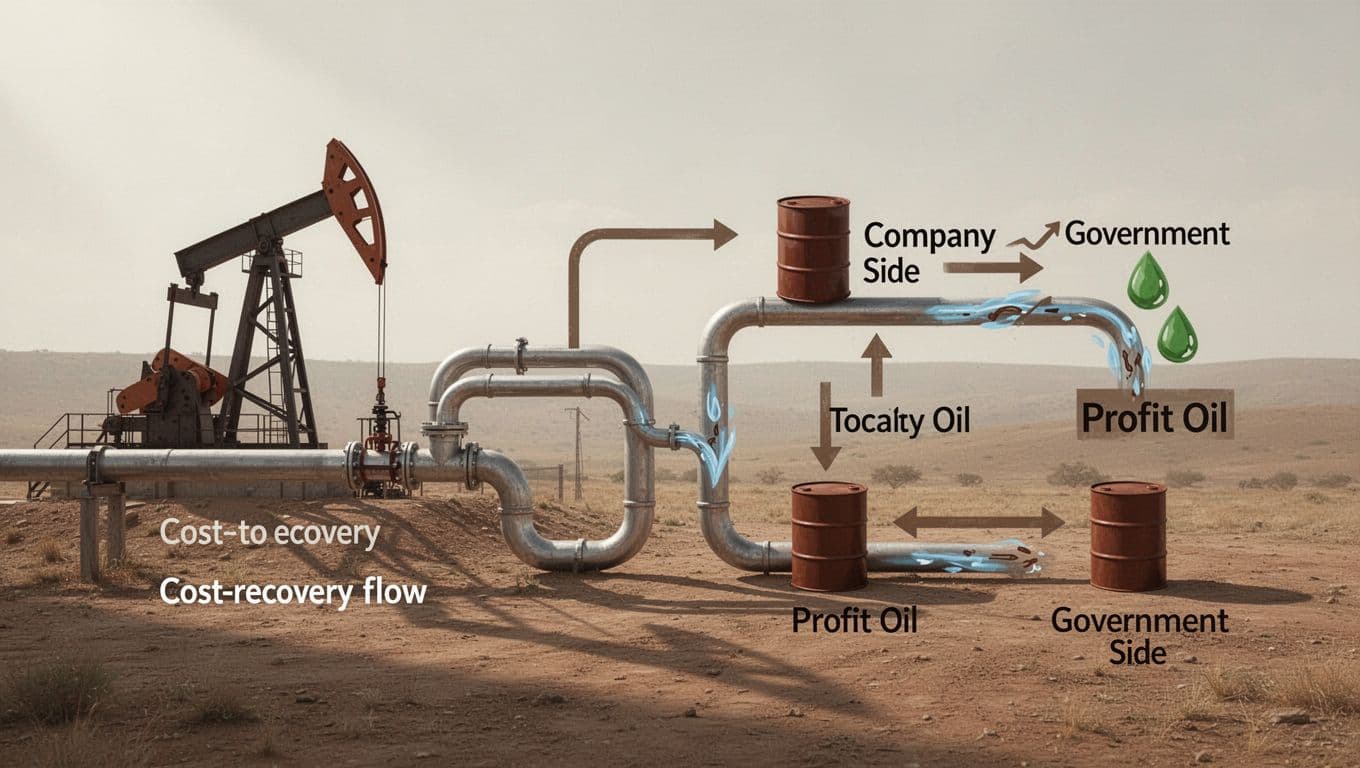
PSCs use a phased approach. Exploration lasts six years. Development follows finds. Production runs long-term. Audits keep it transparent. Disputes go to arbitration.
Firms like Gulf Energy use these now. They balance risks and rewards. Kenya gains steady income. Investors commit because terms stay stable.
What to Expect from 2026 Licensing Rounds
EPRA plans a major round in late 2026. It offers 50 new blocks. Bidding starts after data release. Tax breaks draw firms. These cut corporate rates and allow deductions.
Blocks spread across basins. Lamu Basin leads with 29. It mixes onshore and offshore. Tertiary Rift follows with 12. Anza Basin gets 6. Mandera Basin has 3.
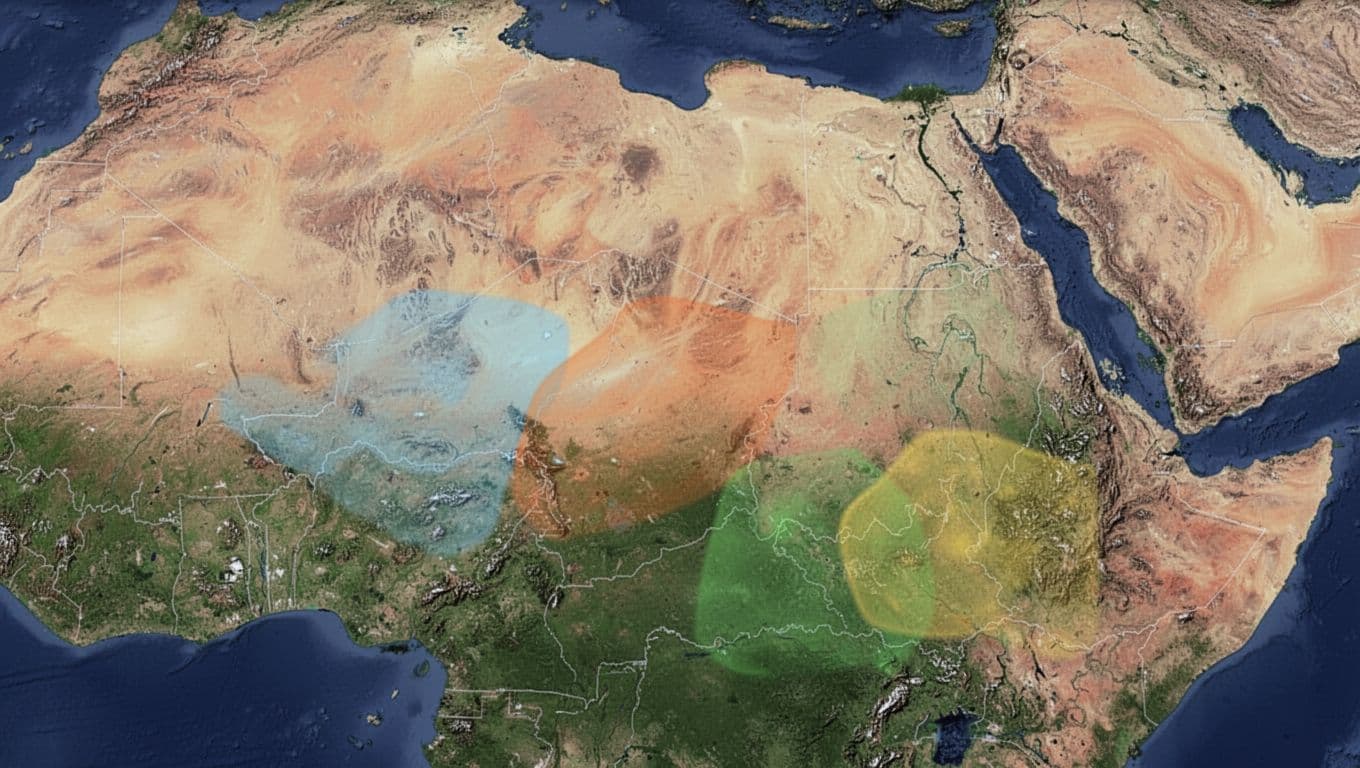
Rethink your strategy. Larger blocks suit majors. Data centre aids prep. Bids emphasize local plans.
Tax incentives shine. No import duties on gear. VAT refunds help too. Signature bonuses fund roads and schools.
Phased bids roll out. First, Lamu and Anza. Then, Rift areas. EPRA promotes Kenyan firms. Partnerships form easily.
Production nears in Turkana. These rounds build on it. Revenue grows. Jobs multiply. Watch Gazette notices.
Rules That Protect Kenyans and the Environment
Kenya’s Oil and Gas Law in Kenya prioritizes people and nature. The Petroleum Act 2019 demands strict rules for local benefits and green practices. Companies like Gulf Energy must follow them in Turkana. These measures link to the Constitution’s human rights focus. They ensure fair shares for Kenyans, especially in remote areas. However, challenges like low skills persist. Let’s break down the key protections.
Local Content: Jobs and Skills for Kenyans First
Companies hire Kenyans first under the Petroleum Act 2019. They target 80% Kenyan workers across all levels, including management. Local suppliers get priority if they meet standards. Firms submit plans before work starts: short-term yearly goals and five-year strategies. These cover hiring, buying local goods, and training.
Imagine youth from Turkana learning drilling skills. Policies push technology transfer from foreign experts. They build capacity where gaps exist. Marginalized groups, like women and herders, gain targeted spots. The Act defines locals as those in affected sub-counties. As a result, communities see real jobs and growth.
EPRA reviews plans each year. Firms hit minimum levels for goods and services. A local entity needs 51% Kenyan ownership and 80% Kenyan managers. Training funds support this shift. Kenya draws from Nigeria’s model to boost skills.
Yet low capacity slows progress. Draft Local Content Regulations 2025 set firmer targets, like 60% local goods. They aim to fix enforcement gaps. In short, these rules create lasting opportunities.
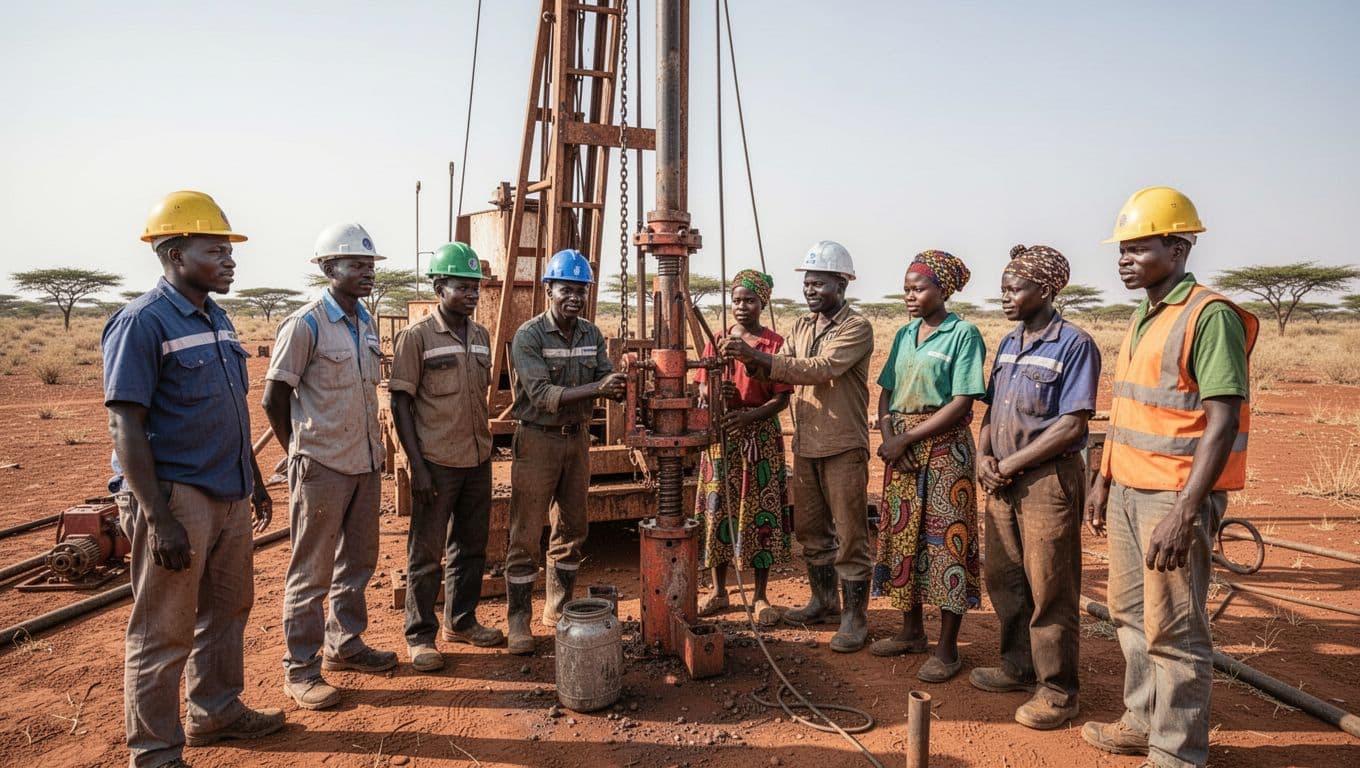
Besides jobs, suppliers benefit. Kenyan firms provide services and parts. This cycle strengthens the economy. Gulf Energy already commits to these terms.
Environmental Safeguards in Oil Operations
The Petroleum Act 2019 mandates strong environmental rules. Companies conduct impact assessments before drilling. They map risks to water, air, and land in areas like Turkana. Emergency plans cover spills or blowouts. Monitoring happens ongoing, with local input.
EPRA oversees compliance. Firms report data regularly. These steps match global standards, such as those from Nigeria or Norway. Kenya avoids past oil disasters through checks. Communities in sub-counties get priority protections.
For example, assessments predict effects on herders’ grazing lands. Plans include cleanup funds. As a result, production stays safe for 2026 starts.
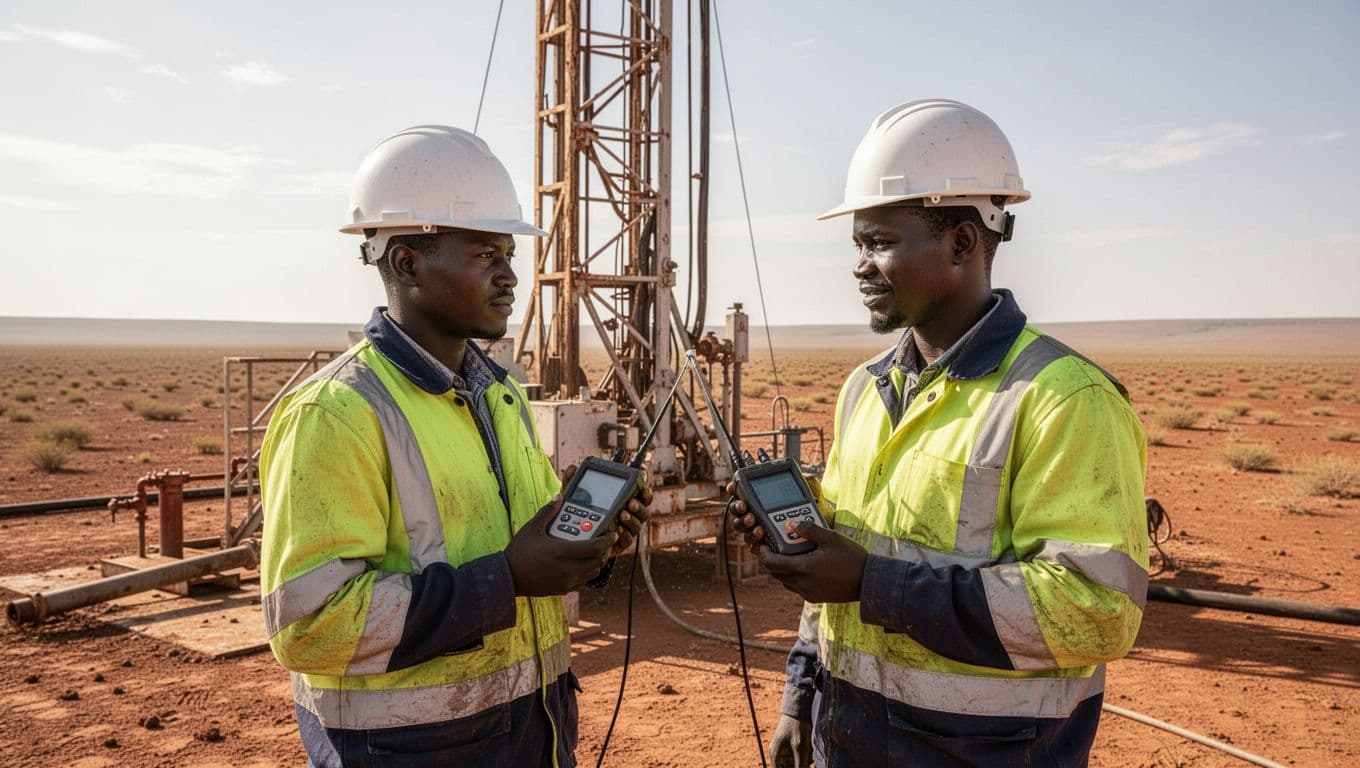
However, challenges remain. Low local expertise slows monitoring. Draft rules add details for better enforcement. The Constitution backs this with rights to a clean environment. Firms train locals to handle checks.
In addition, global ties help. Kenya adopts best practices for audits. Violations bring fines or stops. These safeguards protect Turkana’s fragile ecosystem.
Taxes and Royalties: How Kenya Benefits Financially
Production Sharing Contracts drive revenue in Oil and Gas Law in Kenya. Companies recover costs first, then split profits. Kenya takes royalties as a percent of oil value. Corporate taxes follow on company shares. These terms balance investor needs with national gains.
Signature bonuses pay upfront. Production bonuses hit milestones. All payments go through transparent systems. For Turkana’s 2026 output, PSCs ensure steady cash flow. Gulf Energy follows model terms from the Act.
EPRA and the Cabinet Secretary negotiate deals. Profit splits often give Kenya 55-65%. Investors like the stability. As a result, more firms bid in rounds.

Local content ties in too. Funds support communities. However, low capacity affects audits. Draft fiscal rules clarify levies. Kenya’s policy protects marginalized groups with shares.
Besides royalties, levies fund development. This setup appeals to investors while securing billions. Production grows, so does revenue.
Major Projects and the Road Ahead for Kenya’s Oil
Kenya’s oil sector centers on Turkana’s fields right now. Gulf Energy leads the charge after taking over from Tullow Oil. Oil and Gas Law in Kenya guides this revival through the Petroleum Act 2019. It demands clear plans and local benefits. Production starts in 2026, so these projects shape the future. Expect jobs and revenue, but watch for hurdles. Let’s examine the key efforts.
Revival of Turkana Oil with Gulf Energy
Turkana holds big promise from 2012 discoveries. Companies found oil in South Lokichar across Blocks T6 and T7. Estimates show 326 million recoverable barrels. Six fields confirmed the potential back then. However, delays hit hard. Investor exits, like Tullow Oil’s pullback, stalled progress for years.
Gulf Energy changed that in 2025. They bought Tullow’s assets for $120 million in October. This deal gave Gulf full control of Block T7. Kenya took a strong position too. The government secures at least 20% profit share. That rises to 75% at peak output. Windfall taxes apply above $50 per barrel. New contract terms let Gulf recover 85% of crude as cost oil. Tax breaks cover imports and services.
Parliament must approve the Field Development Plan next. Gulf awaits that green light for full launch. The Petroleum Act 2019 sets these rules. It ensures fair deals under Production Sharing Contracts.
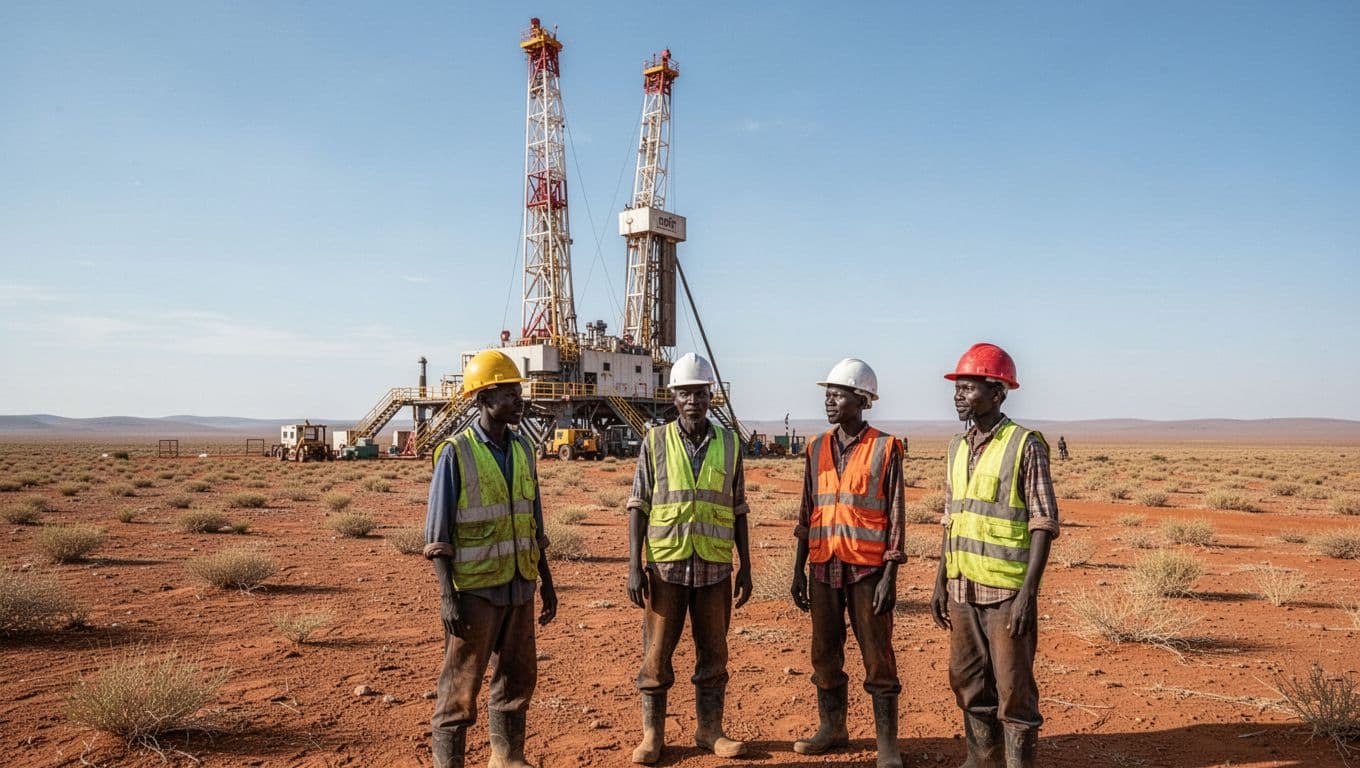
Gulf’s chairman says all systems go. This revival boosts confidence in Kenya’s basins. Communities near the fields stand to gain first. Local content rules push Kenyan hires. As a result, Turkana sees real action after long waits.
Production Plans and Big Investments
Gulf Energy maps a clear timeline for output. First oil flows December 1, 2026. Initial rates hit 20,000 barrels per day. Plans scale to 50,000 barrels long-term, maybe higher. A $6.1 billion investment spans 25 years. That funds drilling and growth.
The rig arrives soon. Gulf leased GW70 for KSh 1.94 billion from Great Wall Drilling in Abu Dhabi. It docks in Mombasa by late March 2026. Setup finishes by June. Drilling starts July. These steps follow Petroleum Act permits.
Transport phases come next. Trucks haul early crude from fields. A pipeline follows to Lamu port for exports. This setup cuts costs over time. Kenya earns $1.05 to $2.9 billion at $60 to $70 per barrel.
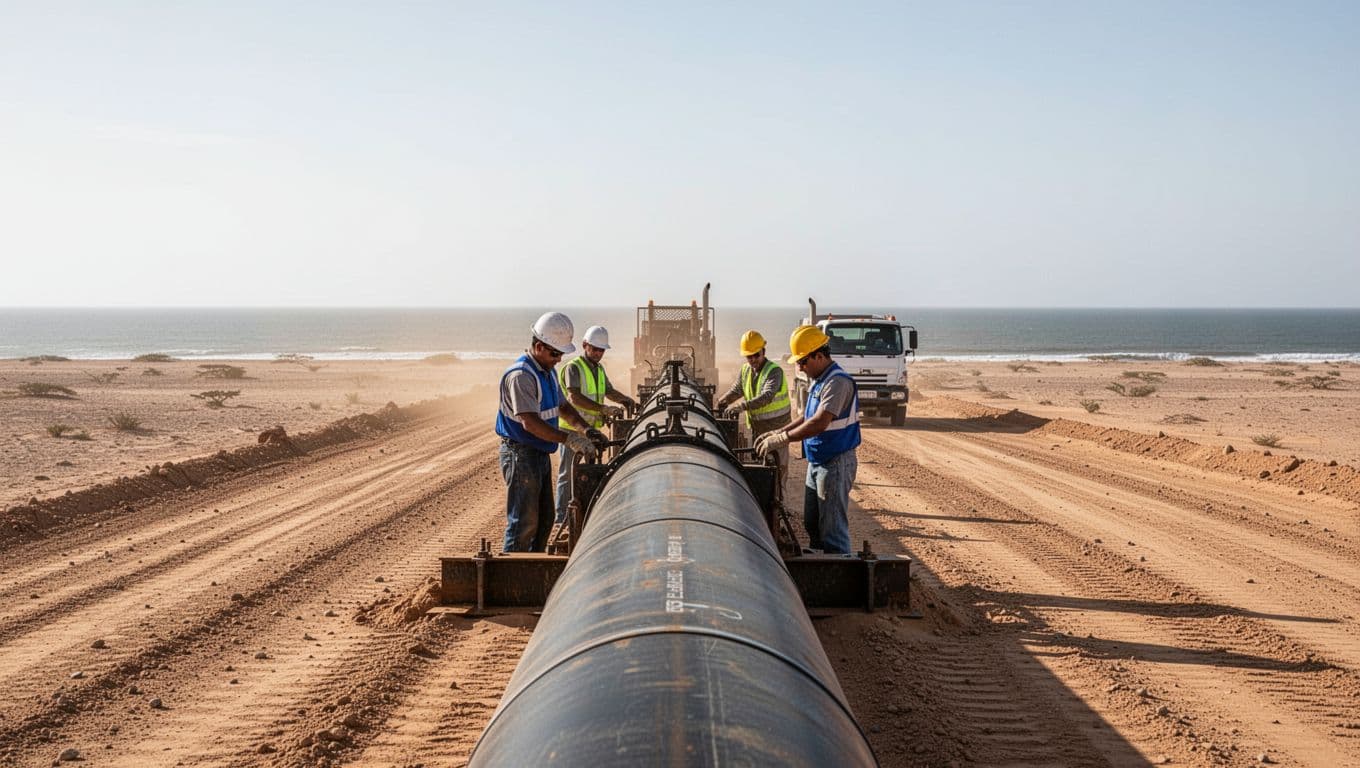
Job promises tie in strong. Gulf commits to locals under Oil and Gas Law in Kenya. They train Turkana youth for roles in operations. Suppliers get contracts too. This creates thousands of spots. Roads improve as a bonus.
A renewables shift looms later. Oil funds green projects. However, focus stays on 2026 starts. Big investments draw partners. Exports begin soon after. Kenya builds capacity step by step.
Challenges and Community Concerns
Past investor exits hurt Turkana most. Tullow and others left due to low prices and risks. Climate worries add pressure now. Groups push back on fossil fuels. They want faster green energy. Local demands grow too. Communities seek bigger roles and shares.
Parliament approval holds the key. Gulf’s Field Development Plan needs ratification. Delays could push timelines. Inexperience shows in spots. Kenya builds skills, but gaps remain. Disputes over land and funds arise often.

The Petroleum Act 2019 addresses this. It mandates consultations and funds. Companies train locals and monitor impacts. EPRA enforces rules. Still, protests happen if promises fall short.
Realism tempers optimism. Strong oversight fixes issues. New bids follow success here. Kenya balances growth with care. Communities gain if plans stick.
Conclusion
The Petroleum Act 2019 stands firm as the core of Oil and Gas Law in Kenya. It guides exploration, production, and sharing through clear rules. EPRA enforces these steps with bidding and oversight. Companies follow local content targets and environmental checks. As a result, Kenya builds a balanced sector.
Gulf Energy’s Turkana project sparks real excitement. First exports arrive in December 2026 from South Lokichar fields. Drilling ramps up soon after Parliament approves the plan. Initial output hits 20,000 barrels per day. Plans scale higher with $6 billion invested over 25 years. Therefore, jobs flood in for locals.
Kenyans gain most when firms stick to the rules. Local content demands 80% Kenyan workers and priority suppliers. Communities in Turkana get training and funds first. Environmental assessments protect grazing lands and water sources. Royalties and profit splits bring steady revenue too. In addition, taxes fund roads and schools nearby.
Picture Kenya as a new oil exporter by late 2026. Trucks carry crude first, then pipelines link to Lamu port. This shift creates thousands of roles across basins. Larger blocks in upcoming rounds draw more investors. However, success depends on strong enforcement. Communities thrive with fair shares.
Outlook stays bright for growth. Gulf’s revival proves the model works. More bids follow in Lamu and Anza Basins. Kenya exports oil while pushing renewables later. Jobs multiply, and skills build nationwide. Above all, protections keep harms low.
Stay alert to EPRA updates on licensing and prices. They post Gazette notices and data online. Check often because rounds start late 2026.
What do you think about these changes in Turkana? Share your views in the comments below.