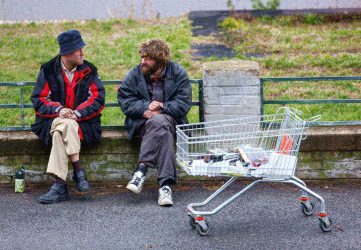
In 2011, bulldozers rolled into Mitumba village near Nairobi’s airport. The Kenya Airports Authority wanted to evict 15,000 residents who’d built homes there for years. Families lost everything that day, but they fought back in court.
The Supreme Court stepped in ten years later. In 2021, it ruled the eviction illegal, citing violations of housing rights and court orders. Thousands got hope for fair relocation, and now no one faces forced removal without alternatives.
That’s law as a tool of social change in Kenya in action. Courts use rules to fix big problems like inequality and abuse. They protect the weak from powerful forces.
The 2010 Constitution changed everything. It gives everyone the right to housing, dignity, and justice under Article 43. Judges enforce these daily, so every day, people win against giants.
You might worry about losing your home to developers or landlords. Or face unfair treatment at work or in family land fights. The law offers a path forward if you know how to use it.
Take recent cases. In Muthurwa Estate, courts delayed evictions by Kenya Railways in 2026, giving families time. Kiambu tenants stopped county harassment over rent. These wins build on Mitumba’s legacy.
Women’s rights tie in too. Courts check land laws before letting ex-husbands evict wives, like in Aduda v Adhiambo last year. It prevents quick grabs and protects long-term homes.
Environment fights use the same power. Constitution articles push back on pollution or grabs that hurt communities. Law shifts society step by step.
This post shows key examples from housing to women’s rights and environmental protection. You’ll learn real stories and simple steps to act. Because you can spark change too.
For more insight, check this free webinar on law as a tool for social change. It ties personal growth to bigger impacts.
Now, let’s dive into how the 2010 Constitution sparked these shifts.
How the 2010 Constitution Became Kenya’s Game-Changer for Justice
The 2010 Constitution turned Kenya’s legal system upside down. It made law a tool of social change in Kenya by putting power in the hands of ordinary people and courts. After years of unchecked evictions and inequality, this document gave judges clear orders to protect rights. As a result, families now fight back against giants like government agencies. You see it in everyday wins, from housing battles to fair treatment. Let’s break down how it started and the key rules that drive these changes.
From Post-Election Chaos to a Rights-Based Nation
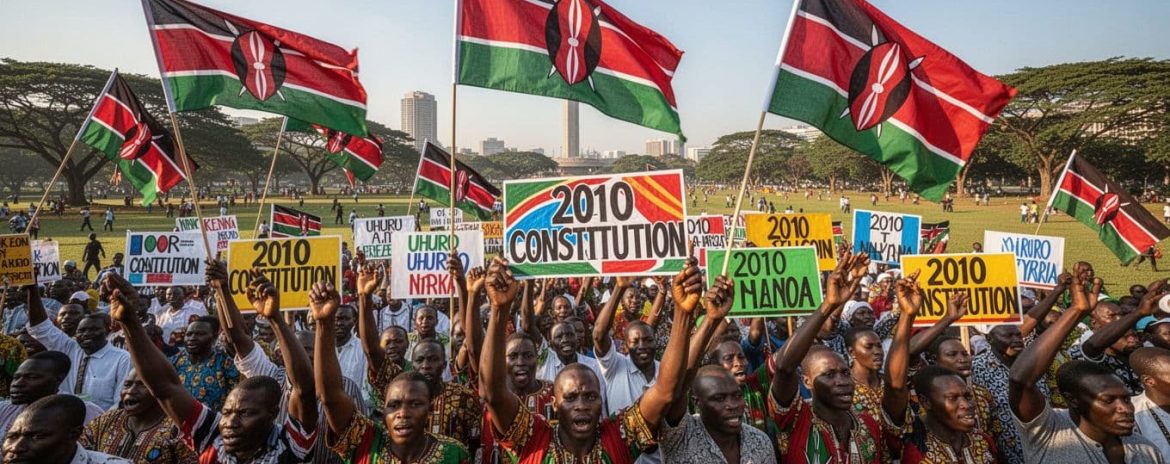
Kenya faced dark days after the 2007 elections. Violence killed over 1,100 people and displaced 600,000 others. Tribes clashed, homes burned, and trust shattered. Leaders realized old ways failed. So, in 2010, Kenyans voted overwhelmingly for a new Constitution. Crowds filled Uhuru Park in joy.
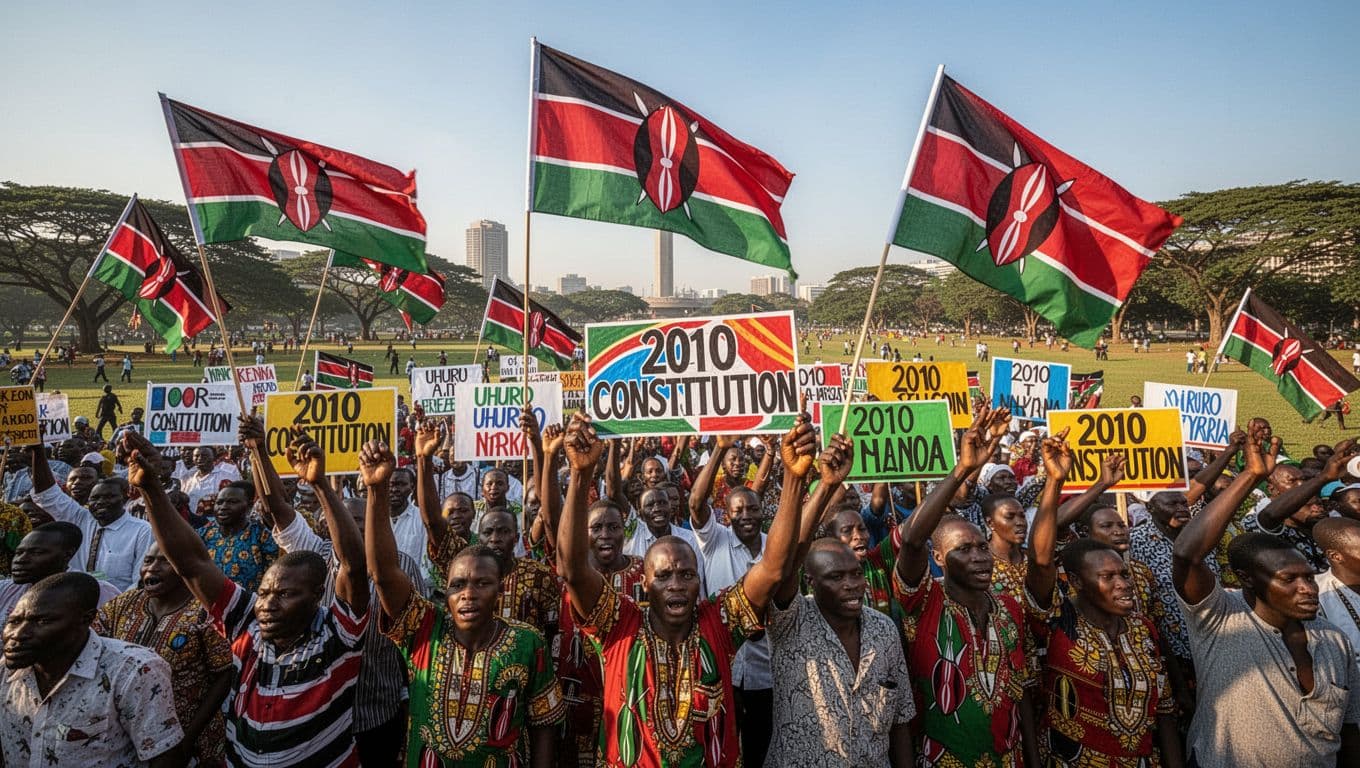
This shift handed power to courts and citizens. Before, presidents and officials ignored the poor. Now, judges enforce rights directly. For example, courts started using structural interdicts. These orders force the government to fix problems, like building homes after wrongful evictions. In short, the Constitution made justice real for everyday Kenyans. It stopped chaos and built a nation where your voice counts in court.
Key Articles That Opened Doors for Change
Certain articles stand out as engines of change. They turned words into actions. Take Article 27 on equality. It bans discrimination based on tribe, gender, or status. Courts apply it widely. In 2023, the Supreme Court ruled that “sex” includes sexual orientation. So, no one faces bias for being LGBTQ. This protects workers and families alike.
Next, Article 43 covers social rights like housing, health, and water. It’s a lifeline against evictions. Look at the 2011 Osman case. Officials evicted 1,122 people without notice or alternatives. The High Court said no. It violated dignity and housing rights. Judges ordered land returned and new homes built. That’s law stepping in for the vulnerable.
Then, Article 159 boosts access to justice. Courts must use alternative methods, including customary law from elders. This helps rural folks solve land or family disputes fast. However, it can’t clash with rights. For instance, elders mediate marriages, but only if fair. As a result, justice reaches villages without long trips to Nairobi.
These articles empower you. In eviction fights, like Mitumba, courts cite them to demand fair processes. Government must give notice and options first. Since 2010, hundreds of cases show this power. Ordinary Kenyans win because judges hold leaders accountable. Law now drives social change, one ruling at a time.
Laws That Protect Kenyan Women from Violence and Inequality
Kenya’s laws now shield women from deep-rooted harm. Groups like FIDA-Kenya and KEWOPA pushed hard for these changes. They turned law as a tool of social change in Kenya by fighting for the 2006 Sexual Offences Act, 2011 FGM ban, and 2015 Domestic Violence Act. Courts enforce them, shifting old norms. Women report abuse more often. Yet challenges remain. Still, real stories show progress. One survivor in Kisii shared how the FGM law saved her daughter. She stood firm against family pressure. These wins build safer lives.
Banning Harmful Practices Like FGM Forever
The Prohibition of Female Genital Mutilation Act of 2011 made FGM illegal nationwide. It bans the cut, sets jail time up to seven years, and fines offenders. Before this, communities like the Maasai and Kisii saw it as tradition. Now, police arrest cutters. FIDA-Kenya trains officers and runs awareness camps. As a result, girls attend school safer.
Successes shine through. Protests in 2023 drew crowds against FGM in Narok. Media covered stories, sparking reports. One village elder switched sides after seeing health risks. He convinced kin to stop. Courts convicted three cutters in West Pokot last year. That deterred others. In short, norms shift because leaders face real punishment.
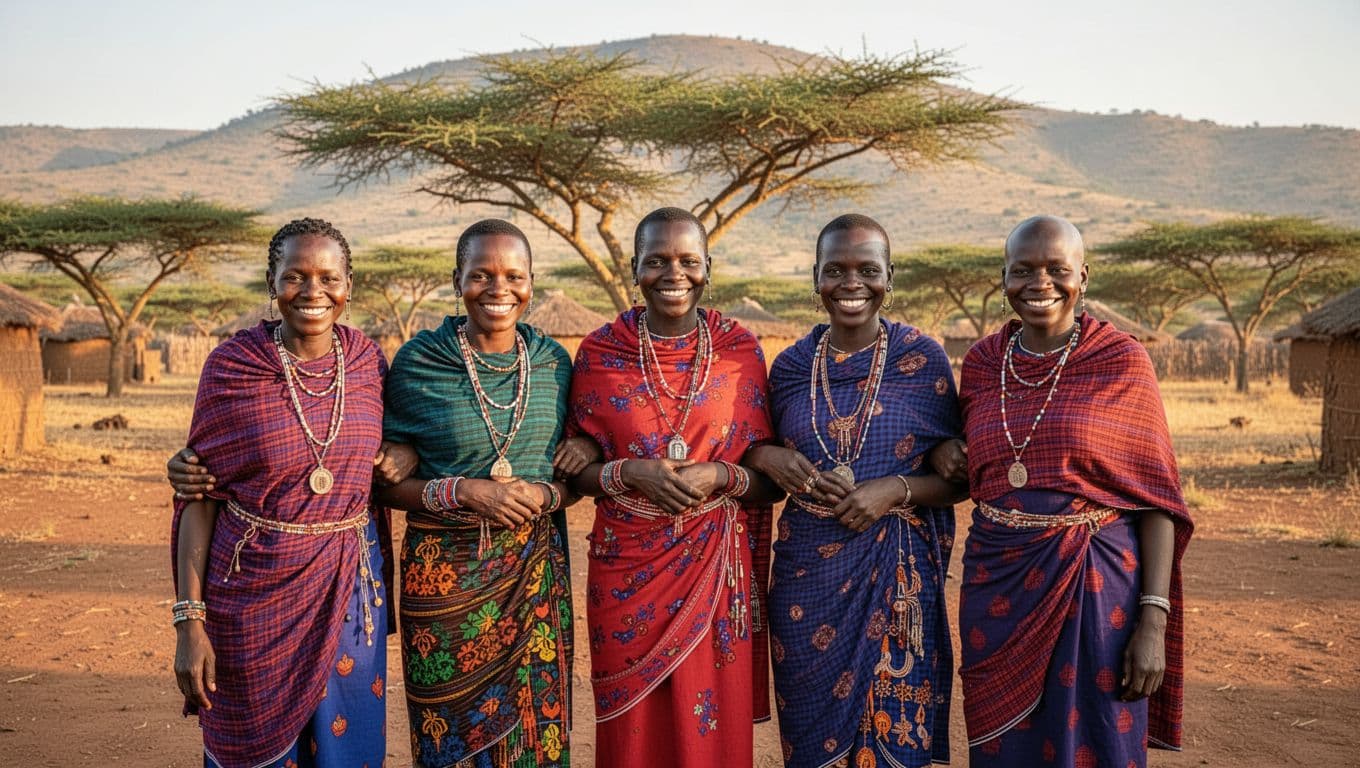
Enforcement faces hurdles, however. Rural areas hide cases due to stigma. Families shun whistleblowers. Economic ties keep women quiet. Police lack funds for patrols. Yet, President Ruto’s task force boosts efforts. They train chiefs to spot risks. Meanwhile, schools teach girls their rights. A 14-year-old in Kajiado reported her aunt’s plan. Police stopped it. Her bravery inspires others.
These steps work together. The law pairs with education. Communities now celebrate uncut girls. FGM rates drop in some spots. But full wins need more convictions. You can help by supporting local groups. Law changes minds, one case at a time.
Steps to End Domestic Abuse and Femicide
The Protection Against Domestic Violence Act of 2015 offers orders to keep abusers away. It covers beatings, threats, and economic control. Victims get shelters and counseling. The 2006 Sexual Offences Act adds muscle with life sentences for rape. Courts fast-track cases. KEWOPA lobbies for better funding. As a result, hospitals like Nairobi Women’s treat 4,000 cases monthly.
Progress shows in numbers. Reports rise because women trust the system more. Femicide hit 170 in 2024, up from 95 prior. Yet, 102 in 2025 points to awareness, not just failure. Over 70% happen at home, mostly by partners. Nairobi, Nakuru lead. Activists track 1,069 killings since 2016.
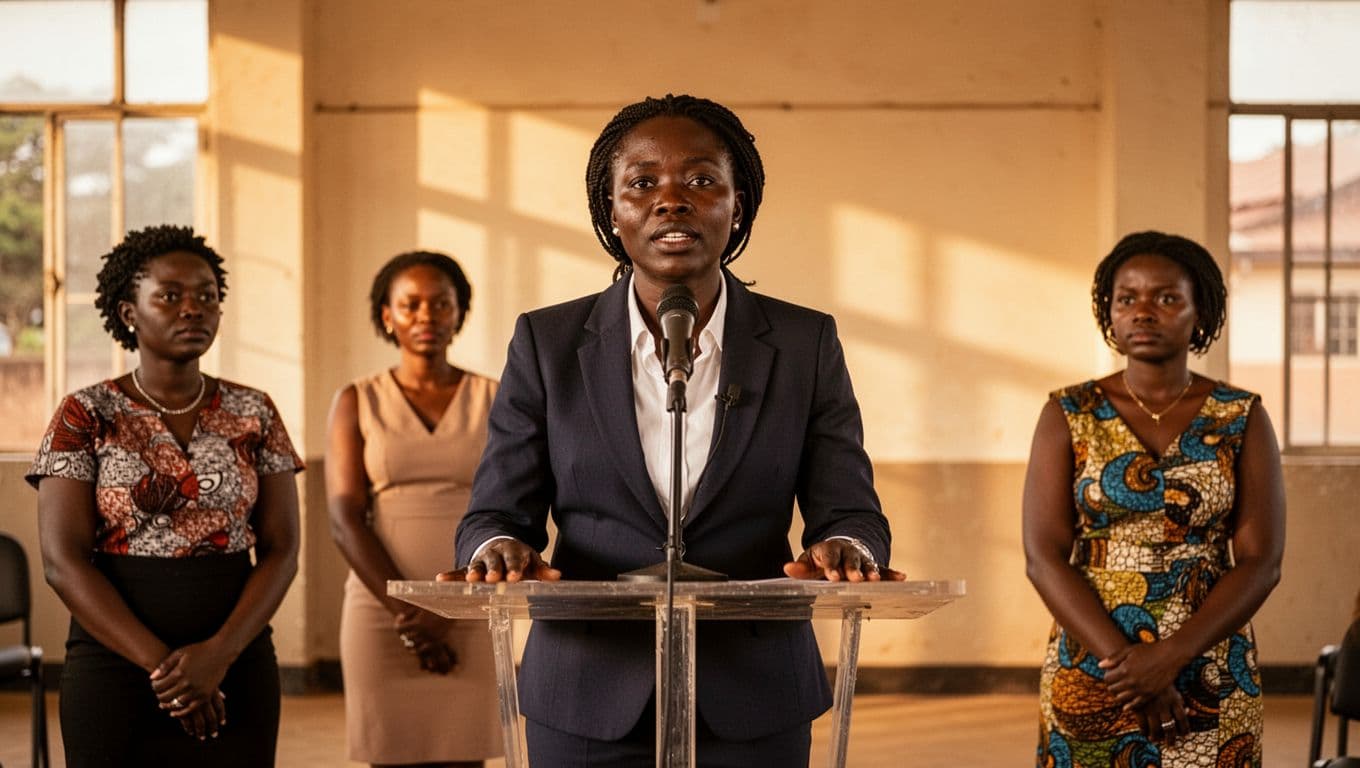
What needs work? Underreporting hides truth. Many classify murders as suicides. Police delay arrests. In Bungoma, stigma silences victims. Femicide task force pushes back. They demand probes. One case in Kiambu: a wife got a protection order. Her husband ignored it. Court jailed him after she fought. Her story spread via FIDA.
Homes stay risky. Thirty percent of women accept beatings as normal. Education fights this. Schools and churches teach no. Survivors like Mary from Nakuru rebuilt after divorce. She runs a shop now. Law gave her that chance.
Fixes include more shelters and quick courts. Train police better. Fund hotlines. Protests demand action. Ruto’s report eyes solutions. These laws spark change. Norms evolve as women speak out. Join rallies or report abuse. Your voice strengthens the shield.
Breakthroughs for LGBTQ Rights in Kenyan Courts
Kenyan courts show law as a tool of social change in Kenya by protecting LGBTQ people step by step. These rulings build on the 2010 Constitution’s promise of equality. They let groups form and fight for rights, even amid tough laws. You feel the hope in these wins, especially when society pushes back. Civil groups like NGLHRC lead the charge. They turn court doors into paths for safety and voice.
The Gitari Case That Opened Doors for Groups
Eric Gitari fought for ten years to register his group. In 2013, the NGO Board said no to the National Gay and Lesbian Human Rights Commission. They claimed words like “gay” and “lesbian” broke penal code rules on same-sex acts. Gitari sued. He said it violated his rights.
High Court ruled for him in 2015. It said Article 36 covers everyone’s freedom to form associations. The Board discriminated, against Article 27 on equality. Court of Appeal agreed in 2019. Then, in February 2023, the Supreme Court sealed the win by 3-2.
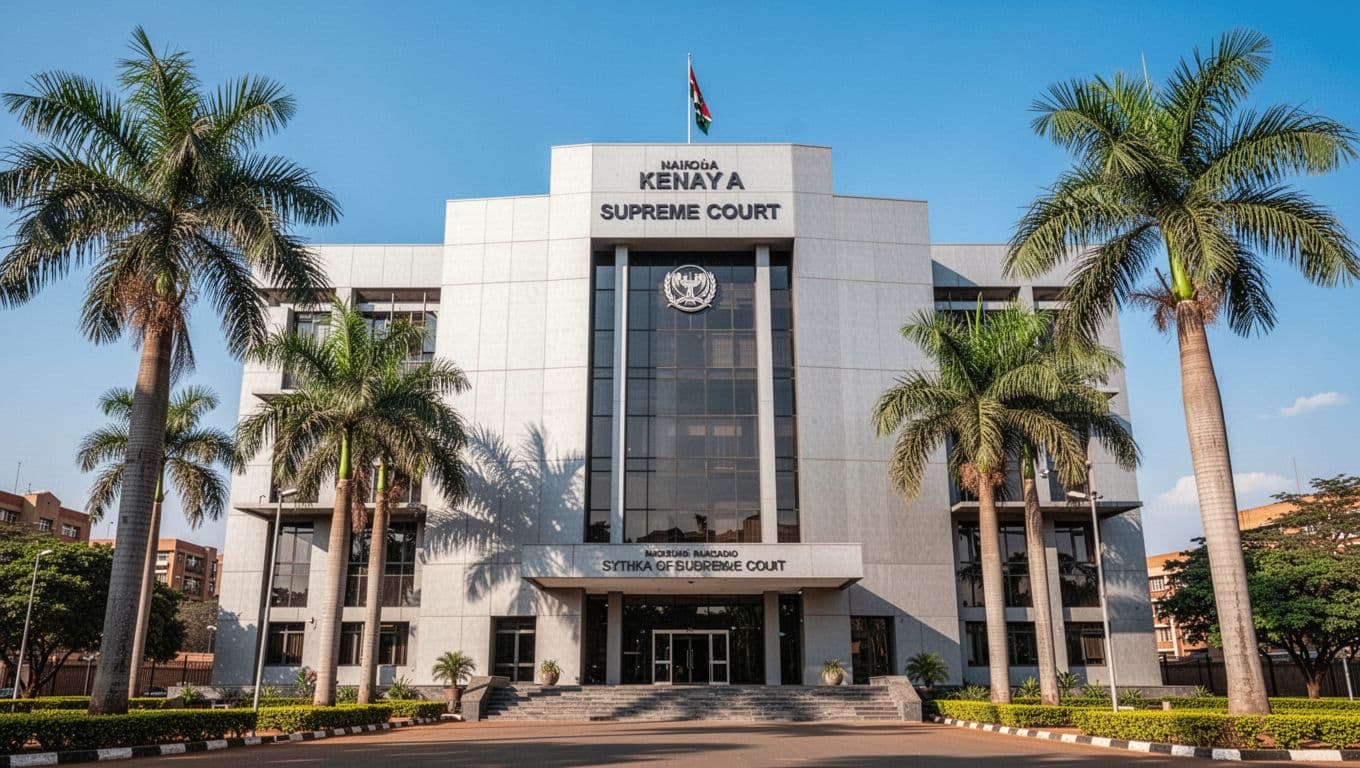
Judges ruled Article 27 bans bias on “sex,” which includes sexual orientation. The list in the Constitution uses “including,” so it covers more. Refusing registration hurts dignity. Penal code bans acts, not groups or identities. Dissenters said no, but majority won. In September 2023, the Court rejected a challenge.
This means LGBTQ Kenyans form NGOs freely. They advocate without fear of blocks. Civil society cheers because it echoes global wins, like India’s group rights. Yet Kenya holds firm: no decriminalization of same-sex acts yet. Still, doors opened for protection work.
Small Wins for Identity and Safety
Trans rights see progress too. In August 2025, Justice Reuben Nyakundi ruled for SC, a trans woman arrested for “impersonation.” Police and doctors violated her dignity. They stripped her, did forced exams, leaked info.
The court said trans people choose their identity. Government must recognize it on documents. It ordered a Transgender Protection Act or changes to Intersex laws. First in Africa. SC got 1 million shillings in damages.

Ongoing fights continue. Court of Appeal hears decriminalization in May 2026. Mokoena sues prisons for care denial, bullying. In 2026, courts freed LGBTQ films from censorship. GALCK+ and others push hard.
These steps help daily life. Jobs, health, homes get safer. However, arrests and bias linger because penal code stands. Civil groups train police, run shelters. They draw from South Africa’s ID changes but fit Kenya’s pace.
You see change because courts listen. Law protects identities now. It builds safety amid storms. Keep watching; more wins come as voices grow.
Courts Standing Up for Clean Air, Land, and Honest Leaders
Kenyan courts keep pushing law as a tool of social change in Kenya. They protect clean air, secure land for families, and fight corruption. Recent rulings from 2024 to 2026 show judges holding polluters accountable and shielding poor communities. You see real remedies like huge payouts and cleanup orders. These wins build on the 2010 Constitution’s rights to a healthy environment and fair housing. As a result, everyday people gain power against big threats. Youth activists and groups like the Kenya Human Rights Commission (KHRC) use courts too. Let’s look at key examples.
Protecting Nature and Future Generations
Courts now treat clean air and land as basic rights. Article 42 guarantees a healthy environment for all. Judges think about kids and grandkids too. That’s intergenerational equity. In December 2024, the Supreme Court hit a Mombasa metal refinery hard. The factory poisoned Owino Uhuru village with lead. Over 20 died, hundreds fell sick.
The ruling ordered 1.3 billion shillings in damages to residents. Plus, 700 million more for cleanup. Fail that, pay 900 million extra. NEMA got blamed for weak enforcement. This set the polluter pays principle firm in Kenya. Companies must fix their mess, not leave it for taxpayers.

In 2025, the Thange River case followed suit. Kenya Pipeline Company polluted the water and banks. The Environment and Land Court demanded full restoration in 120 days. They added 2.1 billion shillings for affected families. Penalties loomed if ignored. These cases protect future generations. Polluted rivers hurt fish, farms, and health for years. Courts step in because government agencies often fail. As a result, communities breathe easier and drink cleaner water.
Unlicensed mining faced heat in early 2026. Judges ruled it broke Article 42 rights. Restoration orders and fines became standard. Youth groups cheer these wins. They join suits to save wetlands and forests. Law now guards nature for your kids.
Stopping Land Grabs and Ensuring Fair Homes
Article 43 promises housing and dignity. Courts use it to stop grabs by the powerful. Poor neighborhoods fight evictions and get time to relocate. In 2026, Bitacha v Sori let a landowner evict 68 trespassers. But judges stressed fair process. No sudden bulldozers.
KHRC challenged the 2025 housing levy too. They said the 1.5% tax on salaries breaks Article 43. It hits workers hard without real homes. The suit demands refunds and audits. Pending now, it could scrap the levy. Poor families pay most but see few houses.
Other cases help. Ibrahim v Cabinet Secretary fought state evictions on public land. Residents cited housing rights. Opondo v others in 2026 blocked rushed removals. A family land dispute, Kariuki v Muchina, paused sale during appeal. Courts protect vulnerable spots.
Here’s how remedies work:
- Notice and alternatives: Government must warn and offer new homes first.
- Damages: Payouts for lost property, like in Mitumba.
- Stays: Delays evictions until fair hearings.
These steps aid slums near Nairobi. Grabbers think twice now. You can file under Article 43 if threatened. Law keeps homes secure for the poor.
Pushing Back Against Corruption in Government
Corruption erodes trust. Courts wield Constitution tools like independent commissions. EACC probes graft; ODPP prosecutes. Article 10 demands integrity from leaders. Judges enforce it.
Youth protests in 2024-2026 spotlighted this. Gen Z marched against taxes and waste. KHRC backed them with Article 37 rights to assemble. Courts eased protest bans. One ruling freed youth from harsh policing.
Anti-corruption ties to land and environment. Polluters bribe officials; courts expose it. In lead poisoning, NEMA’s lapses looked shady. Judges ordered probes. Housing levy fights claim funds go to cronies, not homes.
Remedies include:
- Asset recovery: EACC seizes stolen land.
- Bans from office: Corrupt leaders lose seats.
- Public audits: Courts demand spending reports.
A 2025 case blocked wetland titles over bribes. Environment Court voided them. Youth activism fuels suits. They partner with KHRC for evidence. As a result, honest leaders rise. Government cleans up because courts watch close.
These rulings show law’s power. Clean air flows freer. Land stays fair. Corruption shrinks. Kenya changes for good.
Challenges Ahead and How Kenyans Can Keep the Momentum
Kenya made real gains with law as a tool of social change in Kenya. Courts delivered wins on housing, women’s safety, LGBTQ rights, and clean environments. However, gaps in enforcement slow progress. Leaders resist tough changes. So, protests and civil groups step up. You can join them to push forward. Let’s look at hurdles and smart ways to stay strong.
Gaps in Enforcement and Pushback from Leaders
Laws exist, but follow-through lacks. Police handle extrajudicial killings poorly. Probes drag on with few convictions. For example, the Bill of Rights promises protection, yet disappearances continue. New rules like the 2025 Persons with Disabilities Act face weak rollout. County governments ignore zoning in places like Mombasa. They build high-rises without public input or environmental checks. As a result, rights to clean air and fair process suffer.
Elites block reforms too. They dodge campaign finance limits and capture agencies. Political will stays low on corruption or resource fights. Police crack down on critics. They abduct and torture, even social media users. Impunity grows because arrests rarely stick. Still, these gaps show where pressure matters most.
Protests and Civil Society Keep the Fire Alive
Youth lead the charge. Gen Z protests surged in 2025 over tax hikes and deaths like blogger Albert Ojwang’s in custody. Police killed at least 31 during those events. Fifteen went missing. These build on 2024 Finance Bill riots that shook parliament. Digital tools help them organize fast.
Civil groups fill key roles. IMLU tracks abuses, like 63 deaths in 2024 protests. KHRC pushes suits and aid. They offer short-term help but need more funds. Government curbs their work with old laws. Yet, they train communities and spotlight failures. In short, protests and groups hold leaders accountable.
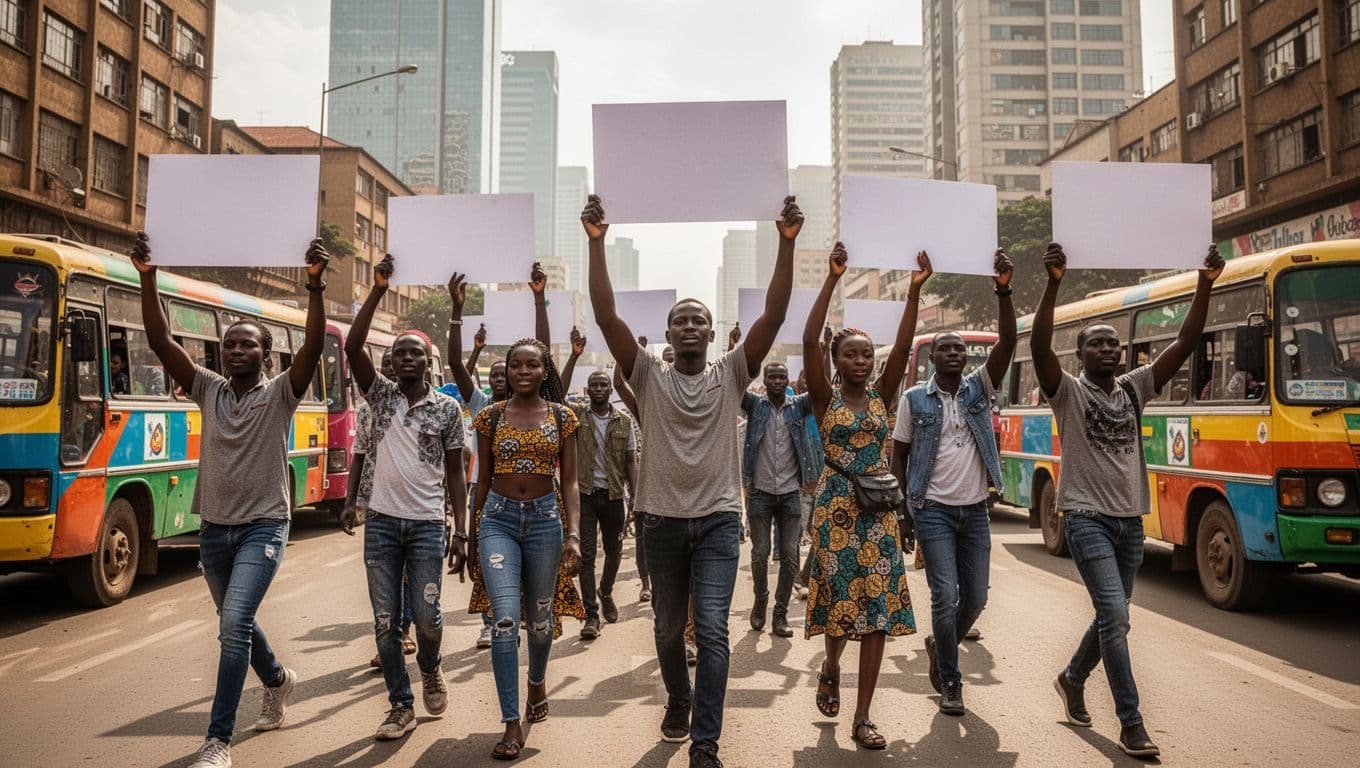
Rising Court Cases Signal Growing Fights
Suits pile up against shortfalls. In 2025, Eldoret High Court ordered transgender protections. Mombasa rulings hit the county for skipping planning committees. They violated property and environment rights. High-rises strain cities without checks. Disability and health laws spark more battles. Courts deliver wins, but systemic fixes lag.
These cases prove law works when pushed. Communities join to challenge grabs or pollution. However, backlogs slow justice. Rising numbers show people trust courts more.
Practical Tips to File Petitions and Join the Push
You hold power too. Start by filing a petition at the nearest High Court. Gather evidence like photos or witness notes. Cite Articles 43 or 42 for housing or environment claims. Groups like KHRC offer free templates online. Next, join local civil society. Sign up with FIDA or NGLHRC for training. Attend protests safely in groups.
Here’s a simple path:
- Document the issue with dates and proof.
- Consult a legal aid clinic for advice.
- File under public interest for free representation.
- Share your story on social media to rally support.
These steps amplify your voice. Law changes when everyday folks act.
A Hopeful Path Forward into 2026
Look to 2026 with eyes open. Youth protests may disrupt elections through digital networks. New acts on rights and health offer tools. Corruption and repression pose risks, though. Courts provide wins, but unrest grows without reforms. Stay engaged. Support groups and vote for integrity. Kenya moves ahead because you keep the momentum. Real change demands steady effort.
Conclusion
The 2010 Constitution sparked it all. It handed power to courts and people like you. So, law as a tool of social change in Kenya turned evictions in Mitumba into wins for fair housing. Recent rulings protect women from FGM and abuse. They shield LGBTQ folks in cases like Gitari and trans rights breakthroughs.
Courts pushed back on pollution too. They ordered cleanups in Mombasa and river fixes. Land grabs slowed because judges demand notice and options first. Even corruption faces heat through youth suits and integrity rules. These steps build on Article 43 rights every day.
You see progress, yet gaps remain. Enforcement lags in rural spots. Leaders resist at times. Still, protests and groups like KHRC keep momentum alive. Courts value your voice because they must.
Law belongs to everyone now. Contact FIDA for women’s issues or NGLHRC for rights fights. File a petition at your High Court with simple proof. Join local rallies safely. These actions strengthen the shield.
Imagine Kenya where no family loses homes overnight. Women walk free from fear. Clean rivers flow for kids. Everyone stands equal under the law. You make that real. Act today; courts wait for your story.