

Ever dialed *#06# on your phone? That pulls up your device’s IMEI number, a 15-digit code that identifies it like a fingerprint. Kenya’s government pushed for mandatory IMEI registration to track fake phones and curb theft, but courts slammed the brakes in late 2024.
You might worry if your phone could end up under digital surveillance. After all, the plan tied IMEI data to government databases for tax checks and blacklisting dodgy devices. However, privacy groups sued, arguing it violated data protection laws, and a High Court injunction still holds as of April 2026.
So, no full digital surveillance (IMEI registration) in Kenya yet. Importers upload IMEIs to the Kenya Revenue Authority database, and travelers must declare theirs. But public registration and network blacklisting? Still blocked, because judges flagged spying risks for everyday Kenyans like you.
Critics fear centralized IMEI tracking could let authorities monitor locations without consent. The Communications Authority insists it’s just for safety and revenue, like banning 21 unapproved phone brands in February 2026. Still, the debate rages on fakes harming networks versus your right to privacy.
Is your phone safe from government tracking? Right now, yes, thanks to the court win. But partial rules mean you should check type approval on the CA website before buying.
In this post, we’ll cover the full history, why it failed, current phone rules, and smart tips for buyers. Let’s explore how Kenya balances fighting crime with protecting your rights.
The Story Behind Kenya’s IMEI Push: From Announcement to Court Block
Kenya’s push for digital surveillance (IMEI registration) kicked off in October 2024. The Communications Authority (CA) and Kenya Revenue Authority (KRA) announced it then. They set a January 2025 start date. The main goals looked clear. First, they wanted to stop counterfeit phones that make up 30 to 40 percent of the market. Second, collect overdue taxes on imports. Third, blacklist stolen devices to fight theft.
But things quickly hit roadblocks. Privacy advocates stepped in fast. The Katiba Institute filed a lawsuit. They claimed the plan broke data protection laws. Justice Chacha Mwita heard the case. In 2025, he issued rulings that halted the rollout. Later, he struck down the whole scheme as unconstitutional. No central IMEI database ever got built. As of April 2026, courts still block full implementation. The government appealed those decisions. Yet, the injunction holds firm.
Here’s a quick timeline of the key moments:
- October 2024: CA and KRA announce mandatory IMEI uploads for importers.
- January 2025: Planned launch date passes without full rollout due to early challenges.
- Early 2025: Katiba Institute sues, citing privacy invasions.
- Mid-2025: Justice Mwita grants temporary halt on registration and blacklisting.
- Late 2025: Court declares policy unconstitutional; permanent block issued.
- 2026: Government appeals ongoing; partial rules like type approvals continue.
This saga shows how digital surveillance (IMEI registration) in Kenya sparked a privacy clash. Officials argued it would clean up fakes and boost revenue. Critics saw it as a step toward unchecked tracking. So far, courts side with caution.
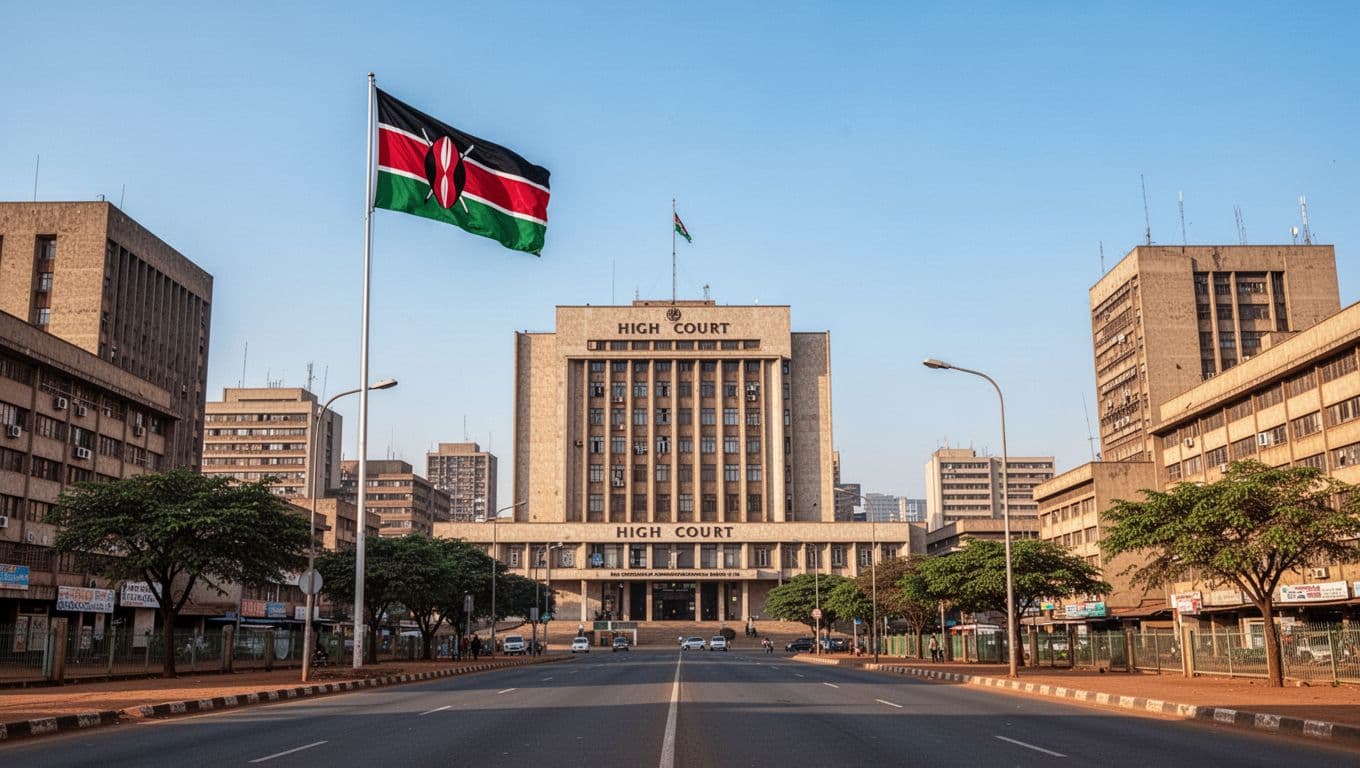
Who Runs It and Why It Targeted Everyone from Importers to Travelers
Two agencies led the charge on IMEI registration. KRA handled customs and taxes. They used the iCMS portal for that. Importers had to upload IMEI lists there before clearing goods. CA managed the tech side. They planned the central database. Plus, they would block non-compliant phones from networks.
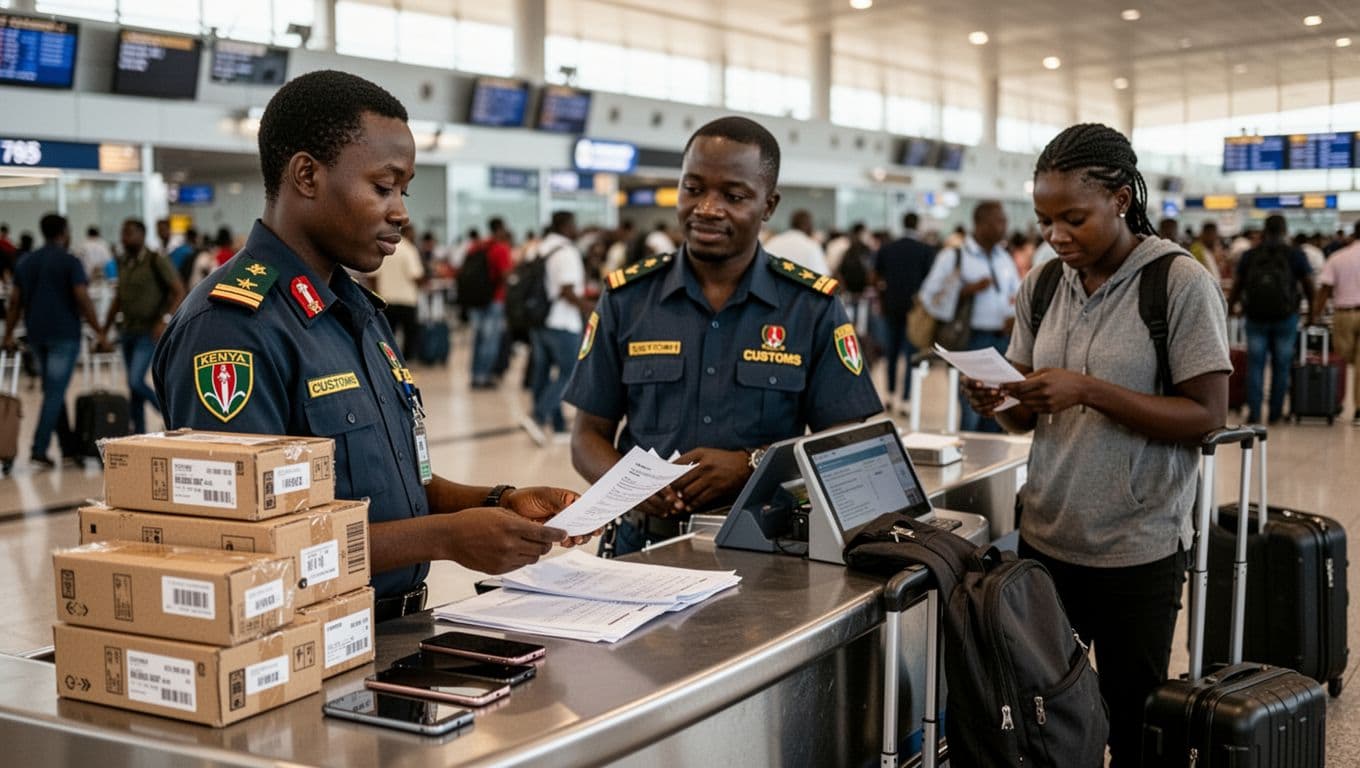
Compliance reached far and wide. Everyone in the chain felt the pressure. Importers submitted IMEIs in bulk for shipments. Assemblers registered device lists during production. Retailers updated their stock records weekly. Even travelers got hit. Passengers on flights filled F88 forms at airports. They declared IMEIs for personal phones.
Why target all these groups? Real-time checks were the point. KRA could verify taxes instantly at borders. Whitelisting would flag fakes early. For example, a shop owner in Nairobi might scan a new batch. If IMEIs didn’t match the database, networks would cut service. This aimed to plug revenue leaks and ensure safe devices.
But the broad net raised eyebrows. Small traders worried about paperwork burdens. Travelers faced delays at Jomo Kenyatta Airport. In short, the system sought total control from factory to pocket.
How Blacklisting Was Supposed to Fight Phone Theft and Fakes
Blacklisting formed the enforcement muscle. Users would dial *#06# to get their IMEI. Then, text it to 1555 for a quick check. Compliant devices stayed on whitelists. Non-matches faced network blocks after a grace period.
Citizens stood to gain in clear ways. Fewer fake phones mean less risk from exploding batteries or radiation hazards. Thieves would struggle too. Stolen devices become useless bricks without service. Resale value drops fast. Picture a mugger in Mombasa grabbing your phone. They try to sell it, but no calls or data work. Buyers walk away.
The process sounded simple. Networks like Safaricom and Airtel query the CA database on activation. Blocked IMEIs get denied. This would shrink the 30 to 40 percent fake market share. Taxes flow better as legit imports dominate.
However, skeptics pointed out flaws. What if legit phones got wrongly flagged? Rural users with spotty service might miss texts. Still, backers pushed benefits like safer streets and stronger networks.
Privacy Nightmares: How IMEI Could Turn Phones into Tracking Devices
Think about carrying a tracker in your pocket every day. Your phone’s IMEI number acts like a unique ID. Digital surveillance (IMEI registration) in Kenya raised alarms because it could link that ID to your moves. Critics warned of real dangers. They saw gaps in data rules that left room for abuse. Let’s break down those risks and the fightback.
Real Risks of Government Access and Data Breaches
Governments hold power. They planned a central IMEI database run by the Communications Authority. Yet no clear rules protected that data. Katiba Institute pointed out big holes. For example, IMEI ties to your location within 100 meters. Match it with SIM data, and they track calls or messages too.
Experts at CIPIT agreed. They said IMEI reveals user habits. You walk in Nairobi CBD? Records show it. No consent needed under the old plan. Plus, Kenya’s Data Protection Act demands checks for high-risk data. Officials skipped those. No impact assessment happened. Hackers could strike next. Remember past breaches at banks? A phone database would draw worse attacks.
In addition, no parliamentary law backed it. Agencies issued notices alone. That broke rules on public input. Article 10 of the Constitution requires that. Without safeguards, mass spying looms. Picture police pulling your path history without a warrant. Everyday Kenyans avoid certain apps now. They fear links to protests or chats.
Government pushed back. They claimed IMEI means device IDs only. No personal info attached, they said. However, reality differs. SIM swaps connect dots fast. Compare to Uganda briefly. They track IMEIs but with court orders. Kenya lacked even that.
Breaches hurt most. Stolen data sells on dark web. Your phone turns spy tool. Families worry too. Kids’ devices ping schools or homes. Chilling effect spreads. People self-censor online. Stay safe? Courts saw the threat first.

Weak spots pile up. No encryption details shared. Access logs? Absent. Therefore, insiders misuse easily. One rogue officer tracks rivals. Results chill free speech. You hesitate to join rallies. Phones feel like chains.
Voices from Activists and What the Court Ruled
Activists led the charge. Katiba Institute sued in late 2024. They targeted CA and KRA notices. Public anger boiled over. Social media buzzed with fears. MPs voiced concerns too. They called it overreach without debate.
Katiba’s Nora Mbagathi spoke out. She said the judgment counters pervasive surveillance risks through devices. People rallied behind. Protests hit streets in Nairobi. They chanted for privacy.
Justice Chacha Mwita delivered the blow on July 18, 2025. He ruled the plan unconstitutional. Notices lacked any law base. They violated Articles 24 and 31. Article 24 limits rights only with fairness. Article 31 guards privacy.
Key quote from Mwita: “The collection of IMEI numbers enabled unchecked state surveillance, making it unconstitutional.” He quashed the orders. No enforcement allowed. Database plans halted too.

Bypass of Parliament stung. Article 94 demands their role. No public say either. Court agreed. As a result, injunction holds into 2026. CA appealed. Still, win stands.
Public felt relief. One Mombasa trader said it saves small businesses from hassle. Anger turned to hope. Activists celebrate but watch close. They urge stronger data laws. Your voice mattered here. Courts blocked the nightmare for now.
What’s Happening with Phones in Kenya Right Now in 2026
Courts blocked full digital surveillance (IMEI registration) in Kenya, so no central database tracks your device. Instead, focus on CA type approval. This keeps fakes out without mass spying. Importers still declare IMEIs to KRA for taxes. Travelers note them on F88 forms. But networks won’t blacklist your phone. New 2026 rules demand printed IMEIs on devices and batteries lasting at least eight hours. Check these before buying. You stay safe from bad devices. Let’s see how.
Step-by-Step: Checking If Your Phone Meets Today’s Rules
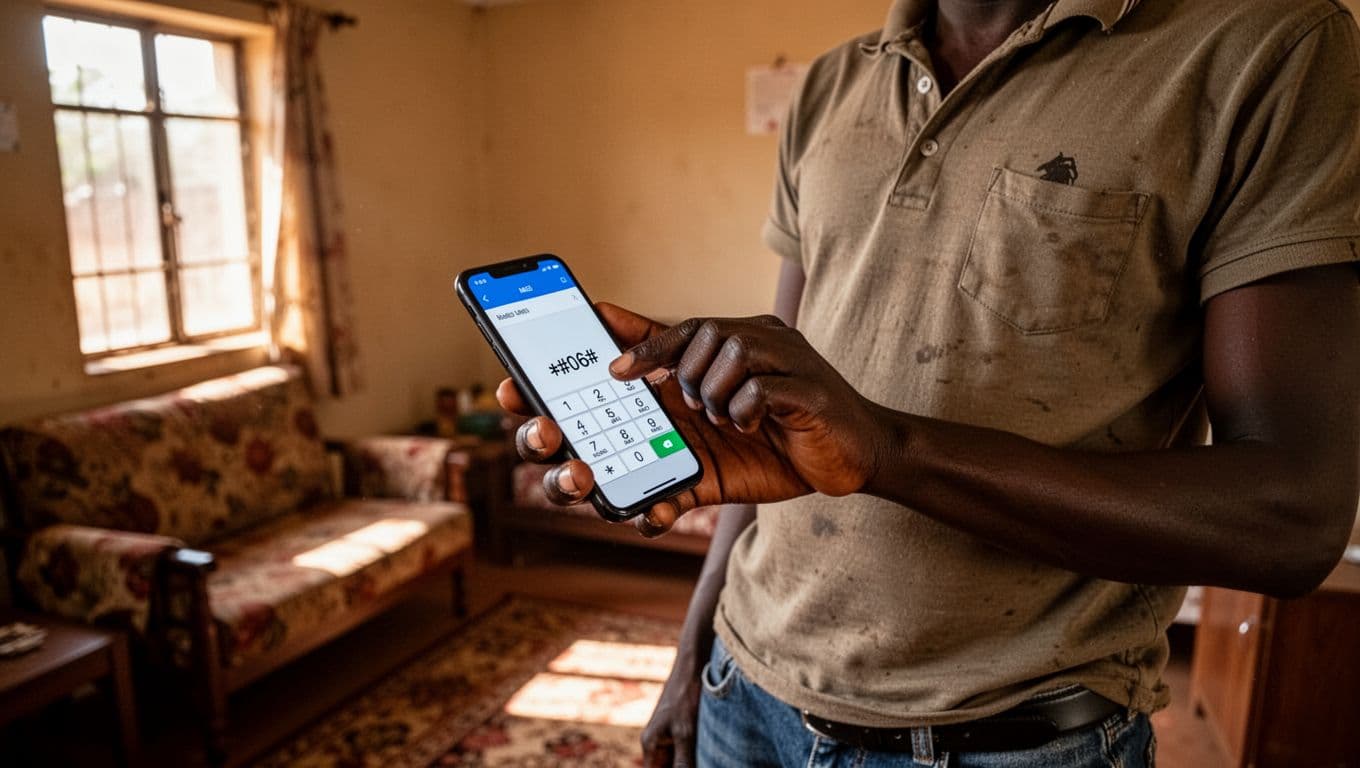
Grab your phone now. First, dial *#06#. It shows the 15-digit IMEI right away. Write it down. This step works on any device, old or new.
Next, text that IMEI to 1555. Use Safaricom, Airtel, or any network. CA replies fast with the make, model, and status. Matches the box? Good. No match means fake or unapproved. For example, a reply might say “Samsung A15 approved.” Mismatch? Trouble.
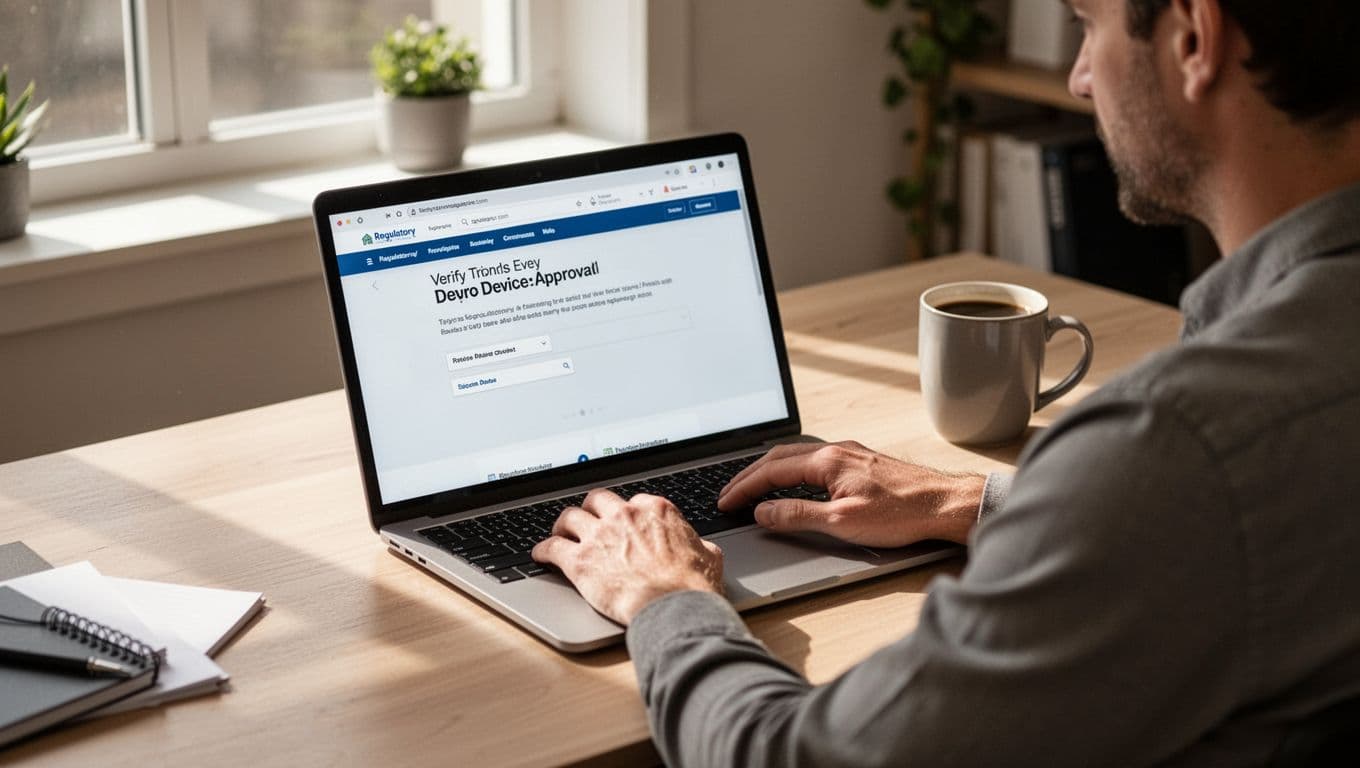
Visit the CA website too. Go to their IMEI checker tool. Enter the number there. It confirms type approval instantly. Look for the whitelist. Approved phones pass safety tests.
What if non-compliant? Stop using it quick. Fakes overheat or interfere with signals. Return to the seller. Demand a refund. Buy only from shops with proof. Rural folks, check before networks glitch. Importers follow KRA rules, but you verify personally.
Online makes it easy. One Kenyan in Kisumu texted 1555 and caught a dud. Saved cash. Always pair dial, text, and site check. No grace periods like the old plan. These steps beat the blocked registration hassle.
In short, stay ahead. Check today.
Banned Brands and Safer Buying Tips for Kenyans
CA banned 21 brands in February 2026. They lack type approval. No safety certs mean health risks like high radiation or explosions. Networks suffer interference too. Here’s the full list:
| Brand | Brand | Brand |
|---|---|---|
| Tinsik | Realfone | F+ |
| Fonrox | Mez | Nemojo |
| Vue | Bundy | Qqmee |
| U-Fm | Chatada | Superx |
| Momofly | Wr | X.Oda |
| Smba | Q-Seven | Ugbad |
| Ft | Raeno | Switch |
These cheap imports skipped tests. Sell or use them? Networks block access. Shops face fines.
Buy smart instead. Stick to licensed dealers. Ask for CA approval papers first. Check printed IMEI on the body. Test eight-hour battery life. Dial *#06# and text 1555 on site. Mismatch? Walk away.
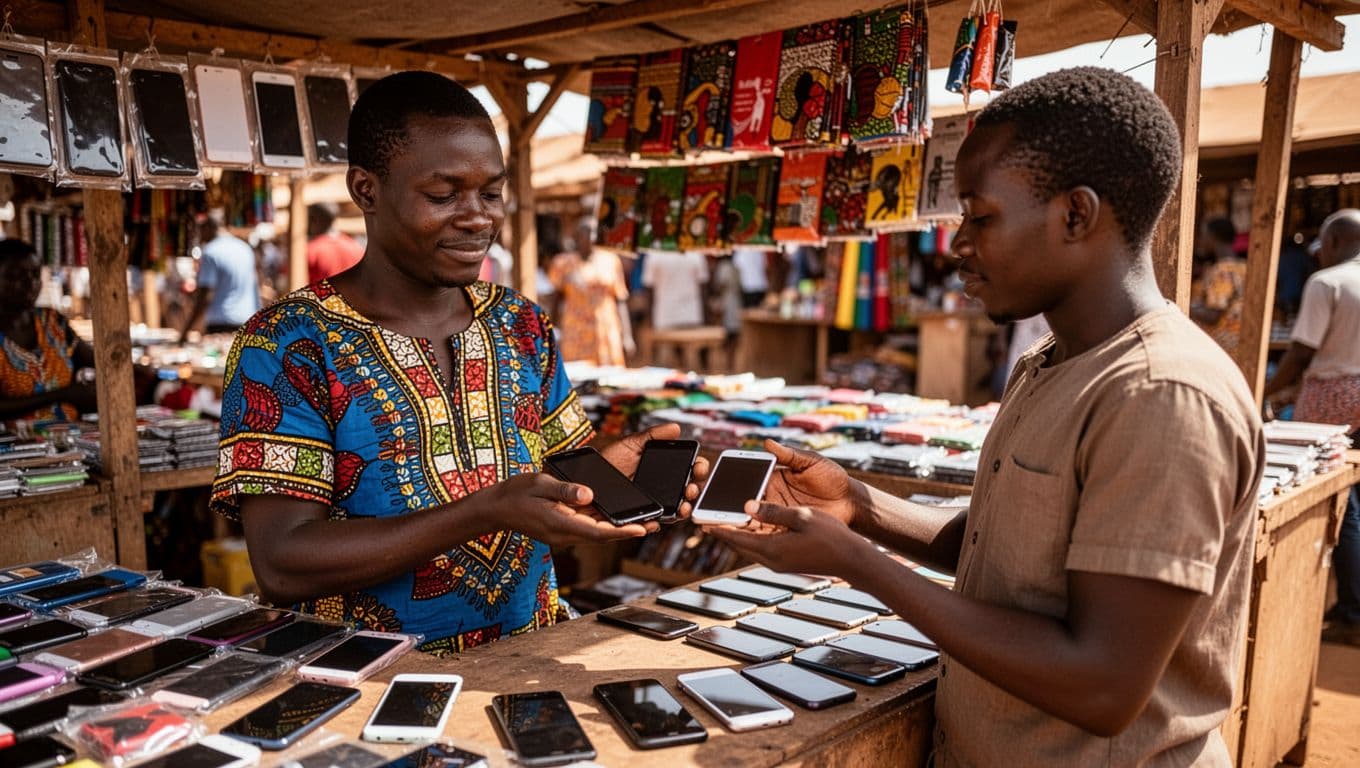
Markets tempt with low prices. But fakes hide there. Vendors push no-name phones. Avoid them. Airports sell quick grabs too. Travelers, declare IMEIs proper. Skip duty-free unknowns.
One tip stands out. Buy big names like Samsung or Tecno. They meet standards. Small traders in Nairobi learned hard. A batch of Realfone fried batteries. Customers raged.
Contrast the old plan. No public blocks now. Just approve your picks. Importers pay taxes quietly. You dodge surveillance and duds. Check lists often. CA updates them. Stay connected safe.
Your Rights, the Future, and Staying Safe Without Big Brother Watching
You won a big privacy battle against digital surveillance (IMEI registration) in Kenya. Courts stopped the full plan, so your phone stays off government radars for now. However, appeals drag on, and partial rules like type approvals keep things tight. Let’s look at your rights, the upsides and downsides, what might come next, and simple ways to protect yourself.
Know Your Rights: Privacy Wins and What They Mean for You
Your Constitution guards you strong. Article 31 protects personal data from snooping. Article 24 says the state can’t limit rights without good reason and public input. Justice Mwita nailed it: the old IMEI push skipped those steps. As a result, no one forces you to hand over your device’s ID.
Data Protection Act backs this too. It demands clear rules for sensitive info like IMEI, which pinpoints locations. You control your phone’s story. Agencies can’t grab it without checks. For example, Katiba Institute proved the plan lacked safeguards. Therefore, you avoid unwanted tracking.
Feel empowered? Courts listen to folks like you. Protests and lawsuits worked. In addition, recent rulings hit other surveillance spots. The Court of Appeal tossed vague Cybercrimes Act parts in March 2026. Police still need warrants for data grabs. Your phone number counts as private too, per another decision.
Hold that line. Demand transparency always. If rules change, speak up fast.
The Good That Came and the Close Call on Privacy Losses
Digital surveillance (IMEI registration) in Kenya had real perks, even if blocked. Safer phones top the list. Fakes drop radiation risks and battery fires. Networks run smoother without junk devices jamming signals. Taxes from legit imports fund roads and schools. Importers pay up now via KRA portals. Everyone wins there.
On the flip side, the bad loomed large. A central database meant easy tracking. Link IMEI to SIMs, and your daily path shows up. No consent, no warrants needed under the plan. Hackers could steal it all. Dark web sales follow breaches. You almost lost quiet freedom.
Balance hit hard. Theft fights sounded good, but at what cost? Courts picked privacy first. Still, banned brands like Tinsik prove fakes hurt. Safer streets matter. However, you don’t need Big Brother for that.
Weigh it yourself. Good tax cash flows. Bad risks chilled speech. Now, type approvals fill gaps without spying.
Appeals Drag On: New Laws with Safeguards on the Horizon?
Government appeals the block. CA filed in 2025, but no win yet as of April 2026. Cases crawl through courts. Privacy groups fight back. Katiba watches close. No quick restart signs.
Future laws might return smarter. Picture IMEI rules with warrants only. Encryption strong. Public votes in. Data Protection impact checks required. Uganda does light versions with oversight. Kenya could copy that.
However, pressure builds for security. Fakes still flood markets. Officials push taxes too. Watch July rulings or appeal news. Parliament must weigh in next time, per Article 94. Stay alert.
In short, change brews. Courts stress balance. You shape it by following updates.
Stay Safe: Check Devices and Push for Openness
Protect yourself today. Dial *#06# often. Text IMEI to 1555. Buy from trusted spots with CA stamps. Test battery life over eight hours. Skip banned lists.
Here’s how to build habits:
- Scan boxes for printed IMEIs.
- Verify online at CA site.
- Report fakes to hotlines.
Support transparency. Join groups like CIPIT. Share court wins on social media. Tell MPs privacy matters.
Track CA and KRA news weekly. Apps send alerts. Your moves keep surveillance in check. Phones serve you, not trackers. Act now, stay free.
Conclusion
Courts blocked full digital surveillance (IMEI registration) in Kenya. They protected your privacy from unwanted tracking. So, your phone stays off radars for now.
Current rules keep it simple. Type approvals fight fakes without a central database. Check IMEIs via *#06# and text to 1555. You dodge risks and stay connected.
The court win empowers everyday Kenyans. Privacy holds strong under the Constitution. Watch for appeal updates and push for balanced tech rules ahead. What’s your next step to verify your device?