

Imagine you’re sitting at home in Nairobi, staring at divorce papers after years of marriage. Or maybe you’re a parent fighting for custody of your kids amid a messy split. These moments hit hard, and they affect thousands of Kenyans every year
Family law in Kenya steps in to protect you. It covers everything from marriage rules to child rights under the 2010 Constitution. Key laws like the Marriage Act 2014 and Children Act 2001 set clear guidelines, so families stay fair and stable.
You need to know this stuff because courts now favor equality more than ever. For example, in 2025, the High Court ruled that widowers don’t have to prove dependency for spousal benefits anymore. This change makes things even for men and women after a loss.
Take inheritance too. The Supreme Court decided in July 2025 that kids born out of wedlock to Muslim fathers can claim their share. Before, old rules blocked them, but now the Law of Succession Act gives all children equal shots.
Property fights got clearer as well. In a 2025 Mombasa case ruled into 2026, a wife won protection for the family home during an ongoing marriage. Courts used the Matrimonial Property Act 2014 to stop sales and guard assets right away.
Adoption saw updates too. A March 2026 High Court ruling in Nairobi approved a case while keeping the child’s details private, all per the Children Act 2001. These decisions show judges put kids first and push for balance.
Divorce processes feel less one-sided now. Courts consider things like the iddat period in Islamic marriages but still act fast on property. Meanwhile, child custody leans on what’s best for the little ones, with recent welfare cases backing that up.
Maintenance claims tie into this, though specific 2026 rulings build on older fairness rules. Understanding family law in Kenya helps you avoid pitfalls, whether you’re marrying, splitting assets, or planning adoption.
Rising court cases mean changes come quick. So, let’s break it down next: marriage types that fit Kenyan life, smooth divorce steps, custody battles you can win, fair property shares, adoption paths, inheritance rights, maintenance support, and the latest updates. You’ll walk away ready for whatever comes.
Choosing the Right Way to Marry in Kenya
Kenya offers several marriage options under the Marriage Act 2014. You pick based on your culture, faith, or preferences. Each type brings stability to your family, but all share key rules like registration within six months. This step proves your union legally and protects your rights in family law in Kenya. Think ahead. A quick chat with a registrar helps avoid surprises later.
Common Marriage Types and Their Rules
Start with civil marriages. Couples head to the Attorney General’s office or a registrar. You exchange vows before a government officer. Bring IDs, birth certificates, and proof you’re single. If under 21, get parental consent. Give 21 days’ notice, or pay to speed it up. These stay monogamous forever.

Next, Christian marriages fit many believers. A licensed minister leads the ceremony in a church. It mirrors civil ones but adds prayers and vows. Monogamy rules apply strictly. No room for extra spouses.
Customary marriages honor traditions. Luo families might pay dowry and hold rites with elders. Kikuyu couples follow their own steps. These can allow polygamy, so a man adds wives under community rules. Still, register soon after.

Hindu marriages use sacred rites like the saat phere around fire. A pandit officiates. Monogamy holds firm here too.
Islamic marriages follow Sharia. An imam blesses the nikah with mahr payment. Polygamy works if fair to all wives.
All types demand registration within six months at the Registrar of Marriages. Skip it, and your union lacks legal weight. No certificate means no protection for property or kids. For example, a Nairobi couple celebrated a big customary wedding but forgot registration. Years later, during a dispute, courts dismissed their claims.
You can convert types. A customary pair agrees to monogamy, signs a form, and switches to civil. The first wife consents in polygamous shifts. However, the old presumption of marriage from long cohabitation ended with the 2014 Act. Live together ten years? It proves nothing without papers.
Tips for you: Match your choice to values. Civil suits quick city weddings. Customary builds community ties. Celebrate big after registering. Recent gender equality wins, like 2025 spousal benefits for widowers, apply across types. Pick wisely for lasting family peace.
Special Rules for Polygamy and Age Limits
Polygamy stays limited. Only customary and Islamic marriages allow it. A man marries up to four wives in Islam, but treats them equally. Customary follows tribe rules, yet fairness matters. Christian, civil, or Hindu? Stick to one spouse. Convert to polygamous? Tough, since monogamous types block it.
Age sets the line at 18 years minimum. Both partners must consent freely. No bigamy either; you’re free if divorced or widowed. Courts struck down old exceptions in 2025. The Supreme Court banned child marriages outright. Past loopholes in customs vanished. Now, under-18 unions hold no water.
Child marriage risks hit hard. Girls face health dangers, dropped education, and abuse. Boys suffer too. Families push it for alliances, but law protects youth. A 2025 ruling in family law in Kenya challenged exceptions, pushing welfare first.
Check consents carefully. Fraud voids marriages. For instance, a coerced village bride won annulment recently. Age proof like IDs prevents issues. Couples over 18 build stronger starts. Register fast, and your choice strengthens family ties for years.
Steps to Divorce Peacefully in Kenya
You want a split without the drama. Family law in Kenya makes that possible if both sides stay calm. Courts push for mediation first, so fights drag less. Pick solid grounds, gather proof, and follow steps. This cuts stress and speeds things up. Recent pushes for fairness help too. Let’s map it out.
Proving Grounds and Filing Your Case
Courts need clear reasons to end a marriage. Under the Marriage Act 2014, you prove one main ground. Here’s what works, with real-life examples:
- Adultery: Your spouse slept with someone else. For instance, texts or hotel receipts show it.
- Cruelty: They hurt you physically or mentally. Think beatings or endless insults that harm your health.
- Desertion: They left home for at least three years without reason. No contact or support counts.
- Exceptional depravity: Wild behavior like drug-fueled violence or crimes that wreck the home.
- Irretrievable breakdown: The marriage just can’t heal. Failed counseling or long fights prove it.
Customary marriages add tribe-specific reasons. Islamic ones go through Kadhi’s Court. Annulments fit if fraud, force, bigamy, or no wedding night happened. Those void the union from day one.
Start with a lawyer. They spot your best ground and check if mediation fits. Next, collect evidence like photos, witness statements, or doctor notes. Keep emotions in check; facts win cases.
Then file the petition at the High Court. Pay fees, attach your marriage certificate, and serve papers to your spouse. If married under three years, ask court leave first. Mediation happens now; a counselor reports if talks fail. Uncontested cases fly faster because both agree.

Picture the flowchart: You consult a lawyer (step one), gather proof (step two), file and mediate (step three). If no deal, court hears your side (step four). Success leads to decree nisi (step five), then absolute after six weeks. Simple path saves months.
Hire help early. Lawyers guide you through proof and papers. They ease the emotional load too. Stay peaceful; courts favor calm parents.
What Happens During and After Divorce Proceedings
Hearings kick off after filing. Your lawyer presents evidence. Witnesses testify. The judge decides if grounds hold. Mediation runs parallel, so try talks again. Failed efforts strengthen your case.
First comes the decree nisi, a trial order. Wait six weeks. No appeals? It turns absolute, ending the marriage. Now handle kids, property, and cash separately. Courts link custody to child welfare. Property splits by contributions, even housework counts.
Uncontested divorces stay smooth. Both sign off on terms. Contested ones drag with battles over facts.
| Type | What It Means | Timeline | Cost and Stress |
|---|---|---|---|
| Uncontested | Both agree on all points | 6-12 months | Low, quick relief |
| Contested | Disputes on grounds or splits | 1-3 years or more | High, tough fights |
After, update IDs and wills. Co-parent well. Maintenance covers kids if one earns less.

Minimum six months passes because of waits and checks. Go uncontested for peace. Lawyers help divide assets fair. Focus on kids; courts do too. You heal faster this way.
Prioritizing Your Child’s Best Interests in Custody Battles
Custody fights hurt the most in a divorce. You love your kids and want what’s right for them. Family law in Kenya puts their welfare first under the Children Act 2001. Courts decide based on facts, not just who yells loudest. So, focus on stability and love. This approach helps kids thrive, even in tough splits. Parents who show care win more often.
Factors Courts Consider for Custody Awards
Judges always ask one question: What’s best for the child? The Children Act 2001 makes this the top rule. They weigh many things to pick joint or sole custody.
First, your child’s welfare tops the list. Courts check physical health, emotions, school success, and growth. For example, a stable home beats a fancy one every time. They also look at age. Kids under 10 often go with mom unless she’s unfit. However, dads get fair shots now.
Next, emotional bonds matter. How close is the child to each parent? Stability counts too. Courts hate upending school or friends. Siblings stay together when possible. Culture and religion play roles, so tribal ties get respect.
Older kids speak up. If your child is mature, say 12 or more, judges hear their wishes. Abuse history kills chances. Past violence or neglect shows unfitness. Parental ability seals it. Who has income, time, and a safe space?
Children’s officers visit homes and report back. Their notes sway judges. In one recent case, a Nairobi court gave joint custody because both parents cooperated. The kid kept both homes stable.

Joint custody works if you both get along. Both parents share decisions on school and health. Sole goes to one if the other can’t manage. Courts change orders later if needed. Tips for you: Stay calm. Show proof of your care, like school reports or photos. Get a lawyer early. Avoid badmouthing your ex. Kids sense that stress.
Securing Child and Spousal Maintenance Payments
Money keeps kids fed and in school after a split. Both parents must pay under the Children Act. Courts order amounts based on real needs, not greed. You file during divorce or separate.
Start with affidavits. Show your income, expenses, and the child’s costs. Food, rent, clothes, doctor bills, and fees add up. Courts match the old family lifestyle. A dad earning 100,000 shillings might pay 30% for two kids. Moms pay too if they work.
Spousal maintenance comes from other laws like the Matrimonial Causes Act. It’s for need, not forever. Courts check if one spouse can’t work yet. Short-term help covers training or health fixes.
Enforcement bites hard. Skip payments? Courts attach wages, grab property, or send you to jail. The Director of Children’s Services steps in. File a claim; they chase it down. In a Mombasa case, a dad lost his car for ignoring orders. Moms face the same.

Keep records clean. Bank slips prove you pay. Update courts if jobs change. Co-parent well; it cuts fights. For example, one Kisumu mom got steady checks after showing needs lists. Dads, budget smart. Everyone wins when kids eat well.
Talk to your lawyer now. They crunch numbers right. Courts favor fair parents. Your child deserves that support, so make it happen.
Fairly Splitting Property After a Split
Splits get messy when property enters the picture. You built a life together, so family law in Kenya aims for fairness under the Matrimonial Property Act 2013. Courts look at what each spouse put in, not just who holds the title. This keeps things balanced, especially for women who often handle home duties. Recent 2025-2026 cases stress proof of contributions. So, gather your records early. That way, you avoid losing what you earned.
Defining Contributions That Count
Courts count money, labor, and homemaking as contributions. You don’t need a paycheck to claim a share. For example, cooking meals or raising kids counts as work. However, you must prove it with evidence like bank slips, receipts, or witness statements.
Financial input shows clear. Paystubs track salary used for the home. Loans or mortgages in your name strengthen claims. Non-financial efforts shine too. A wife who managed the house for years gets credit, as courts now recognize that labor.
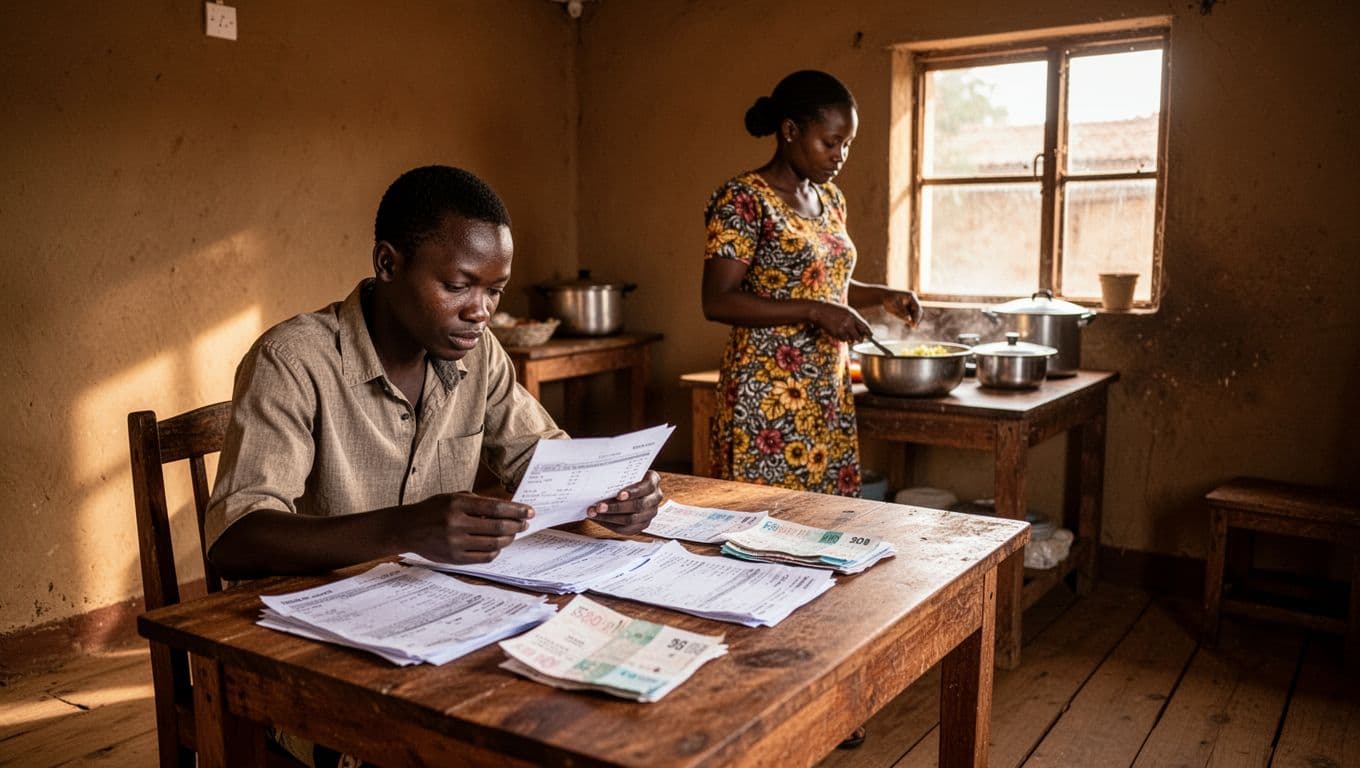
Take the Supreme Court appeal in 2025. A wife got 30% of the home and 20% of rentals because her homemaking formed a joint effort. No proof means no share. So, list chores you did daily. Photos of family events or school runs help. Meanwhile, debts split equally under Section 10.
In short, both spouses build the pot together. Courts value all inputs now.
Handling the Family Home and Other Assets
The family home often sparks the biggest fights. If both contributed, courts presume equal shares. Land, businesses, cars, and rentals fall under matrimonial property too. During divorce, file claims right away to freeze sales.
Section 7 guides splits by contributions. Women’s rights advanced in 2025 cases. For instance, in FRA v MSB, a wife shared Mombasa titles because she helped buy and develop them. Courts held some in trust for kids.
Here’s a quick look at key 2025-2026 rulings:
| Case | Date | Key Outcome |
|---|---|---|
| Manyara v Omurwa | Feb 2026 | Equal shares eyed for land and cars |
| FRA v MSB | 2025 | Titles severed fairly after work |
| MMA v MAH | Jan 2026 | Injunction blocks house sale |
| Godwilly v Manochi | 2025 | Cohabitation presumes marriage, joint home |

Cohabitation claims work if you lived as spouses publicly for years. Godwilly v Manochi gave a 20-year partner joint rights to their house. List all assets: plot numbers, business licenses, vehicle logs. Courts block moves during cases, like in MMA v MAH.
Process starts in divorce filings. Your lawyer lists items and proves input. Judges decide shares based on facts. Kids’ needs tip scales sometimes. Above all, act fast to protect your stake.
Adopting a Child: The Path to a New Family in Kenya
Adoption builds families when biological paths don’t work. In family law in Kenya, the Children Act sets the rules to protect kids first. You gain a child, and they get a stable home. Courts approve only after strict checks. Recent updates from the 2022 Children Act add training and child input, but no big shifts in 2025 or 2026. Singles, couples, or relatives qualify if they meet basics. Think of it as a careful match that lasts. Ready to start? Focus on welfare and follow steps closely.
Who Qualifies and the Approval Steps
You need to hit key marks to adopt. First, reach age 25 and stay at least 21 years older than the child. Most stay under 65, though courts allow exceptions. Show physical, emotional, and money stability. Singles apply alone. Married couples go together; your spouse must agree. Relatives prove family ties for kinship adoptions. The child must hit 6 weeks old, stay under 18, and get declared free for adoption. Parents or guardians consent, plus the child if over 10.
Agencies like Child Welfare Society of Kenya handle matches. No picking your child upfront, except for relatives or foster kids. Everyone passes police checks, medical exams, and income proof.
Here’s the step-by-step path:
- Check your fit and contact a registered agency.
- Submit docs like ID, marriage papers if wed, health reports, and police clearance.
- Go through home study. A social worker visits, chats with you, and checks your setup.
- Take parenting classes on trauma and care.

Agencies issue a eligibility certificate if you pass. Next, they match a child. The kid lives with you for 3 straight months as a trial foster. Workers visit to watch progress.
After that, file a petition in High Court chambers. Judges review reports, hear the child if mature, and check welfare. Approval leads to an adoption order. Register it at the Registrar General for Ksh 100; you get the certificate in 7 days. Agencies follow up later.
Costs add up from agency fees, lawyer work, court filing, and checks. No fixed total, so call agencies for quotes. The full process averages 6 months, though home studies and court waits vary.
Foreign adoptions face a halt. Kenya joined the Hague Convention, but a moratorium blocks intercountry ones since 2014. No lift yet.
Take Mary from Nairobi. Single and 35, she passed home study after losing her sister. Her nephew, 2 years old, joined her home. After 3 months and court okay, they bonded forever. Courts saw her stable job and love. Stories like hers show why welfare rules win. Start with an agency today. Your new family waits.
Securing Your Family’s Future Through Inheritance Laws
Nobody wants their family fighting over assets after they’re gone. In family law in Kenya, the Law of Succession Act handles inheritance to keep things fair. You control it with a will, or the law steps in if you die without one, called intestate. Spouses and kids get priority either way. Recent changes, like 2025 rulings on widowers and out-of-wedlock children, make rights equal across genders and births. Customary rules fade in cities, so this national law rules most cases. Plan now to protect your spouse and kids.
Intestate Succession: Who Gets What Without a Will
Die without a will, and the law splits your estate simply. First, courts appoint 2 to 4 administrators, often the spouse or kids. They wait six months, then distribute.
Your surviving spouse takes all personal items like clothes, furniture, and jewelry right away. They also get a life interest in the rest, meaning they use it for life. Kids inherit everything after the spouse dies or if a widow remarries. One child? They get it all. Multiple kids split equally.
All children count the same. Boys and girls share alike. Kids born out of wedlock now inherit from dads, even in Islamic cases. A 2025 Court of Appeal ruling struck down old exclusions as unconstitutional. Grandkids step in if a child dies first.
No kids but a spouse? They keep personal items and get a life interest, or at least Ksh 10,000 or 20% if the estate stays small. Parents or siblings follow if no spouse or kids.
Multiple wives split the estate by “houses,” one per wife and her kids. For example, two houses mean equal shares each.

In short, spouses hold things steady while kids wait their turn. However, prove relationships with birth certificates or DNA if needed. Administrators swear an oath and file inventory. Skip planning, and courts decide for you.
Making and Challenging a Will
A will lets you choose who gets what. You must hit 18 years old and stay of sound mind. That means you know your assets, family claims, and picks. Make it free from pressure or tricks.
Written wills work best. List property clearly. Name up to four executors to handle it. Sign at the end in front of two witnesses who sign too. Pick witnesses not getting gifts, or add two more. Oral wills need two witnesses, but you die within three months.
Revoke old wills by stating it upfront. Keep the original safe with a lawyer or bank. After death, file for probate in court with the death certificate.
Draft smart. Use plain words like “my Nairobi house to son John.” Name backups for executors or heirs. Get a lawyer for businesses or land abroad. Date it and copy for family.

Anyone interested can challenge it. Common issues include no capacity, bad signing, or undue influence. Courts use tests like knowing your act and property. Challengers prove faults; if they win, intestate rules apply.
Widowers gained equal rights in 2025, matching widows. So, your will aligns with these shifts. Update it after big life changes like births or buys. Your family thanks you later.
Recent Shifts in Family Law and What They Mean for You
Kenyan courts pushed family law forward in 2025 and 2026. They fixed old biases to match the 2010 Constitution’s call for equality and child welfare. These shifts affect marriages, inheritance, and property splits. You gain clearer rights as a result. For example, widowers and out-of-wedlock kids now stand on equal ground. Courts stress proof of contributions in property fights too. So, what does this mean for your family? Let’s break down the big changes.

Widowers and Gender Equality Wins
High Court rulings in 2025 changed spousal benefits. Widowers no longer prove dependency to claim a late wife’s property. Before, only widows got that ease. Now, both claim under Articles 27 and 40 of the Constitution.
This levels the field. Men in rural areas benefit most, since many wives hold land titles. You protect your share faster. Courts apply this across marriage types, so plan your estate with equality in mind. As a result, families fight less over losses.
Inheritance Rights for All Children
The Supreme Court ruled in 2025 that kids born outside marriage inherit fully from dads. This includes Islamic cases. Old rules blocked them, but Article 27 ends that discrimination.
Your family sees fair shares now. Grandkids step up if parents pass first. Prove ties with birth certificates or DNA tests. Therefore, update family records. Everyone claims their part without court battles.
Property Protection and Cohabitation Clarity
Matrimonial Property Act rulings stress fair splits based on all contributions. Housework counts like cash. A 2025 Mombasa case blocked home sales during marriage. Courts guard assets right away.
Cohabitation lost its old magic too. Long-term pairs need registration for rights; no automatic marriage. The Supreme Court called for fixes to Article 45 gaps. So, register unions early. Otherwise, partners risk empty claims.
Adoption got a privacy boost in a June 2025 surrogacy case. Courts sealed records while approving families.
Future Reforms and Staying Updated
Bills loom for assisted reproduction and family protection. Parliament eyes ethical surrogacy but debates others. Courts push Constitution harmony, like child marriage bans.
A hinted KB v RJ 2026 case may test more edges. Watch for cohabitation laws too. Check Judiciary websites or family law in Kenya updates monthly. Join bar association alerts. Talk to lawyers yearly. These steps keep you ahead. Your family stays secure as changes roll in.
Conclusion
Family law in Kenya puts child welfare first in every big decision. Courts now push equality for spouses, kids born outside marriage, and fair property shares based on real contributions. You see it in recent wins like widowers claiming benefits and homes protected during splits. These rules help you build stable families, no matter the challenge.
Talk to a lawyer early if marriage, divorce, or custody hits your life. They spot your rights and guide you through steps like registration or filings. Knowledge empowers you, so don’t wait for trouble to grow.
Share your story in the comments below. What family law question keeps you up at night? Contact a pro today for peace of mind. Kenya’s laws keep getting stronger to shield families like yours.