

You’ve probably faced it yourself: a simple dispute in Kenya drags on in court for months, even years. Backlogs overwhelm the system, costing you time and money. Alternative Dispute Resolution in Kenya changes that by letting you settle matters outside the courtroom.
ADR covers methods like mediation and arbitration. A neutral third party guides you to an agreement. Courts stay out, so you move faster.
Consider the numbers. In the 2025/2026 financial year, Kenya sent 1,256 cases to alternative systems. Mediators resolved 1,073 of them, unlocking about 96 billion Kenyan shillings in value.
That’s huge for businesses and individuals alike. Arbitration handles construction disputes well, for example. Mediation rebuilds relationships through private talks.
You gain speed first. Cases wrap up in weeks, not years. Costs drop too, since you skip lengthy trials. Privacy protects your details from public records.
In addition, outcomes feel fairer. Parties shape the solution together. Courts enforce awards easily, so winners collect without hassle.
Kenya’s laws back this strongly. The Constitution promotes ADR in Article 159. Acts like the Arbitration Act guide the process.
History shows growth. Nairobi now rivals East Africa hubs. The Nairobi Centre for International Arbitration leads the way.
Recent rulings help. Courts reject challenges to awards, building trust. Modernization plans aim to draw more international cases.
This post breaks it down: types of ADR, key laws and history, main institutions, benefits and challenges, plus fresh developments. You’ll see why everyday Kenyans turn to ADR for quicker justice. Next, we look at the main types available.
The Main Types of Alternative Dispute Resolution Used in Kenya Today
Alternative Dispute Resolution in Kenya gives you choices beyond crowded courts. Arbitration and mediation top the list because they deliver quick results. Other methods, like conciliation and traditional approaches, suit everyday needs. Each type fits disputes from business deals to family matters. Courts often refer cases to these options under the Constitution. As a result, you save time and keep matters private.
Arbitration: Your Private Judge for Binding Decisions
Parties pick their own arbitrator in Kenyan arbitration. This neutral expert hears evidence in private sessions. Then, they issue a binding award courts enforce like a judgment.
The Arbitration Act 1995, amended in 2010, sets the rules. It requires fair hearings and limits court interference. Contracts often include clauses that mandate arbitration first. For example, two companies dispute a construction payment in Nairobi. They choose an engineer as arbitrator. Hearings wrap up in months, not years.
This process mirrors court but stays faster and confidential. No public records mean sensitive business stays hidden. In addition, costs drop because you control the schedule.
Pros include finality; awards rarely get overturned. Use it for high-value commercial fights, like supply chain issues. However, it costs more upfront than talks.

Businesses favor arbitration for its speed. Recent data shows it handles international cases well at places like the Nairobi Centre for International Arbitration.
Mediation: Talking It Out with a Neutral Guide
Mediation brings parties to the table with a neutral guide. The mediator helps you craft your own deal; they impose nothing. Agreements become court-enforceable once signed.
Kenya runs this through Court-Annexed Mediation since 2015. The Civil Procedure Act and Constitution support referrals. Accredited mediators, over 1,515 strong with 835 active, handle cases. Courts in Kericho and Kilifi joined in 2025.
Take two neighbors arguing over a shared fence in a village. The mediator listens to both sides. They find common ground, like splitting repair costs. Relationships heal because talks stay voluntary.
This method preserves ties, unlike rulings that divide. Success rates hit 93% in labor courts; 18,368 cases resolved worth KES 52.2 billion. Most finish in 90 days.

Families and small businesses pick mediation for its low cost and flexibility. In contrast to arbitration, control stays with you.
Other Options Like Conciliation and Traditional Methods
Conciliation offers a twist on mediation. A conciliator hears views then suggests terms. Parties accept or tweak them. The Civil Procedure Act allows court referrals for this.
Negotiation skips third parties altogether. You talk directly or with lawyers. It works first for simple debt or employment spats. Speed comes free because no formal steps bind you.
Reconciliation focuses on mending bonds. Community elders lead in rural spots. They draw on customs for land or marriage issues. The Constitution demands these align with rights, so no bias.
Traditional methods thrive in villages. Elders settle livestock thefts fast. They blend respect with quick justice. Meanwhile, modern courts recognize awards from them.
Online Dispute Resolution grows too. Platforms handle small claims via video. Kenya’s policies support tech, though no dedicated law yet. It fits busy urbanites.
These options complement arbitration and mediation. For instance, start with negotiation; escalate if needed. Elders suit cultural disputes; online saves travel.
| ADR Type | Key Feature | Best For | Timeframe |
|---|---|---|---|
| Conciliation | Suggestions from neutral | Labor disputes | Weeks |
| Negotiation | Direct talks | Minor debts | Days |
| Traditional | Elder wisdom | Rural land | Hours to days |
| Online | Digital platform | Small claims | Days |
This table shows choices match your needs. Overall, ADR in Kenya mixes old and new for fair outcomes.
Kenya’s Legal Rules That Make ADR Strong and Reliable
Kenya builds a solid base for Alternative Dispute Resolution in Kenya through clear laws. These rules encourage courts to use ADR first. They limit interference and ensure outcomes stick. As a result, you get reliable justice outside traditional courts. Businesses and families benefit from faster, enforceable solutions. Now, let’s examine the key laws and court roles that drive this system.
Key Laws from Constitution to Recent Acts
The 2010 Constitution sets the foundation. Article 159(2)(c) directs courts and tribunals to promote alternative dispute resolution methods. These include reconciliation, mediation, arbitration, and traditional approaches. Courts must use them unless they violate rights, justice, or other laws. This principle pushes ADR into everyday practice.
Next, the Arbitration Act of 1995 guides binding decisions. Kenya based it on the UNCITRAL Model Law. Amendments in 2010 strengthened it. Section 6 lets courts pause cases and refer them to arbitration if a valid agreement exists. Judges refuse only for clear reasons, like invalid clauses or time limits. Therefore, awards face little challenge. The Nairobi Centre for International Arbitration Act of 2013 adds support for global cases.
Civil Procedure Rules, under Order 11 Rule 3, handle referrals. Courts screen disputes at pre-trial stages, often 30 to 90 days after pleadings. Suitable cases go to mediation or other ADR within 60 days. The Mediation (Pilot Project) Rules of 2020 expand court-annexed programs in family and commercial divisions.
The National ADR Policy, finalized recently by the Attorney General’s Office, ties it all together. It plans ADR use across justice sectors. Tax rules under the Tax Procedures Act 2015 allow ADR for disputes with the Kenya Revenue Authority. Settlements gain enforceability this way.
These laws connect seamlessly. The Constitution mandates promotion. Acts provide rules and enforcement. For example, a construction firm disputes payments. The contract’s arbitration clause triggers the Act. Courts stay litigation and let experts decide. As a result, the system works as one unit. Recent policies evolve it further, drawing international trust.

In short, this framework makes ADR strong. Parties know rules protect them.
How Courts Push Cases Toward ADR
Courts actively steer cases to ADR through screening and referrals. At filing, registrars check new suits. They flag ones ripe for mediation or arbitration. Pre-trial conferences, held 30 to 90 days later, confirm fits. Judges direct parties to try ADR before hearings.
Referrals follow Civil Procedure Rules. Order 46 allows orders for conciliation or mediation. Parties must complete sessions in 60 days, or cases return to court. However, agreements become enforceable orders. Arbitration clauses get priority; courts stay proceedings under the Arbitration Act.
Enforcement seals reliability. Courts register mediated deals as consent judgments. Arbitration awards bind like rulings. Challenges succeed only on narrow grounds, like bias or public policy breaches. For instance, two partners clash over a business sale. Their mediation agreement ends the fight. The court stamps it, so payments flow.
Users gain big benefits. You avoid backlogs and cut costs. Privacy holds during talks. Relationships mend, unlike win-lose verdicts. Statistics show impact: over 18,000 cases resolved, worth KES 52.2 billion. Commercial and family disputes drop fastest.
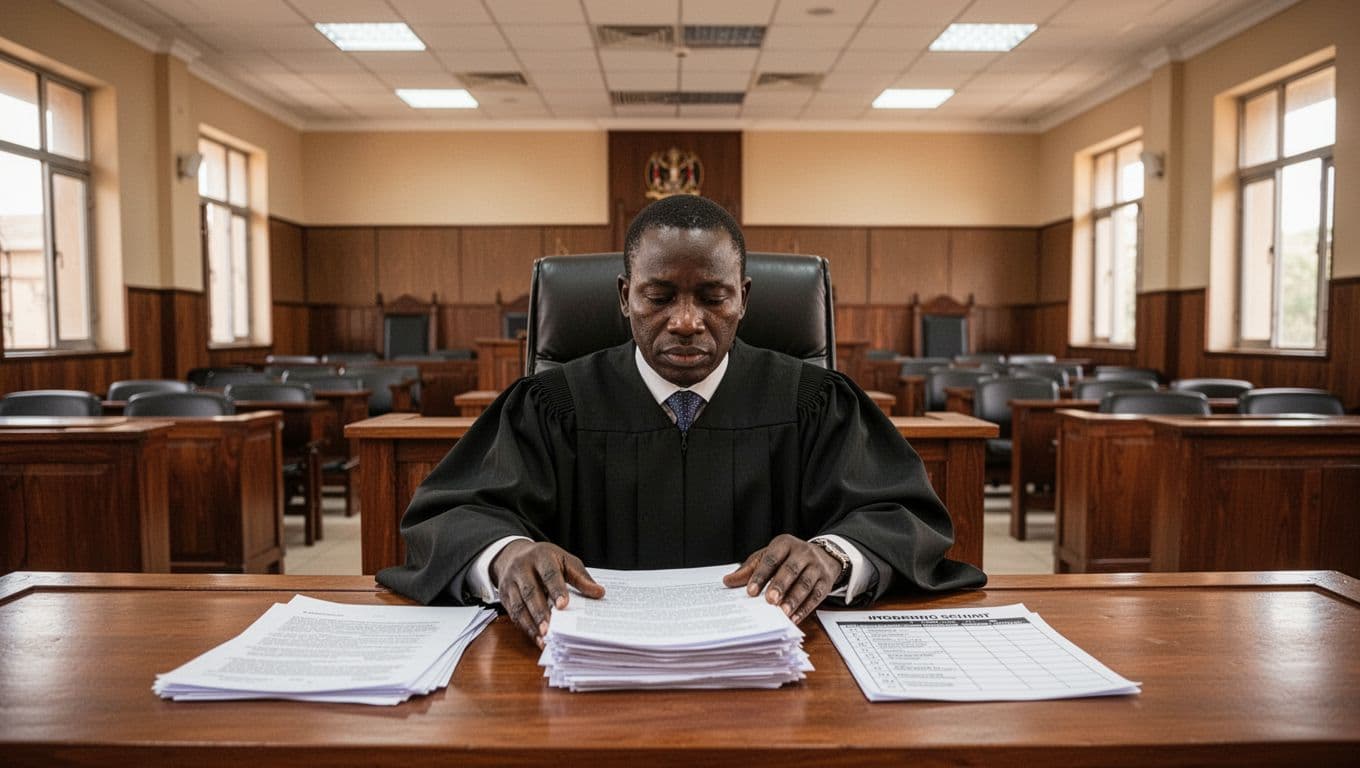
Besides speed, courts build confidence by honoring clauses. A supplier ignores a mediation step in contract. Judges halt the suit until ADR happens. As a result, Kenya attracts more cases. You win fair, quick resolutions every time.
History, Key Institutions, and Real Processes in Kenyan ADR
Alternative Dispute Resolution in Kenya blends old customs with modern rules. You see its growth from village elders to city centers. Strong groups run services now. Anyone can start a process with clear steps. This setup speeds justice for daily needs.
A Quick Look Back at ADR’s Growth in Kenya
Kenyan communities settled fights long before courts arrived. Elders sat in circles to talk and mend ties. They focused on harmony, not winners. Traditional methods handled land grabs or family rifts fast. Colonial rule from the late 1800s changed that. British courts took over big cases. Yet, locals kept using customs for small matters.
After independence in 1963, formal courts grew slow and costly. Backlogs piled up. People turned back to informal talks and elder wisdom. Groups like the Chartered Institute of Arbitrators Kenya Branch formed in 1984. They pushed arbitration for business spats.
The 2010 Constitution marked a big shift. Article 159 ordered courts to use reconciliation, mediation, arbitration, and traditions first. Access to justice improved right away. In 2016, Chief Justice Willy Mutunga started court-annexed mediation. It cut delays in commercial and family cases. Chief Justice Martha Koome expanded it later.
By 2024, the National ADR Policy arrived. It set rules for training and spread ADR to elections and more. Kenya added online options too. In 2025 and 2026, use soared. Courts refer cases often. Nairobi draws global business. Traditional systems now link with courts formally. Investors like the speed and privacy.

This path shows why Alternative Dispute Resolution in Kenya works today. It builds on what locals know.
Main Organizations Running ADR Services
Several groups lead Alternative Dispute Resolution in Kenya. They offer experts, rooms, and training. You contact them directly for help.
The Nairobi Centre for International Arbitration tops the list. It opened in 2013 at Co-operative Bank House, 8th Floor, Haile Selassie Avenue, Nairobi. NCIA handles arbitration and mediation for local or global cases. Staff assign case managers and pick neutrals from their panel. They rent hearing rooms cheap. Training events like Nairobi Arbitration Week build skills. Call +254 771 293 055 or email info@ncia.or.ke. Hours run Monday to Friday, 8 AM to 5 PM. Start by filing a request online at ncia.or.ke.
The Mediation Accreditation Committee certifies mediators. It works under the Judiciary to set standards. Contact them through judiciary.go.ke or local courts. They run programs for new mediators.
Chartered Institute of Arbitrators Kenya Branch promotes skills. Members get training and exams. Reach the secretariat at ciarb.org/kenya. They list arbitrators for hire.
Kenya Revenue Authority uses ADR for tax fights. After objection, request mediation via iTax portal or call +254 20 499 9999. Offices help in person.
The Judiciary runs court-annexed programs. High courts and magistrates offer free mediation. Registrars refer cases early. Call 0800 720 662 or check judiciary.go.ke for centers.

Pick the group by dispute type. For business, try NCIA. Taxes go to KRA. All keep things private and fair.
Step-by-Step: Launching an ADR Process Yourself
You launch private Alternative Dispute Resolution in Kenya without courts. Both sides agree first. Follow these steps for mediation or arbitration.
First, choose the type. Use mediation to keep ties, like with partners. Pick arbitration for firm rulings, such as debt claims.
Next, get agreement in writing. List the issue, method, rules, place, and dates. Sign it. No deal means no start.
Then, find a neutral. Contact NCIA or CIArb Kenya for panels. They send three names with bios. Both sides rank them. Pay filing fees around KSh 10,000. Split costs later.
Hold sessions after that. In mediation, meet for talks and private chats. Aim for 30 to 60 days. Arbitration sets hearings like mini-trials, 3 to 6 months total.
Handle outcomes last. Mediation yields a signed deal, binding as a contract. Arbitration gives an award courts enforce. If no deal, options end or shift.
For example, traders fix a delivery spat at NCIA. They mediate a payment plan in 45 days. A builder wins delay pay via arbitration award.

Add ADR clauses to future contracts. Lawyers help for big stakes. This path saves time over courts.
Benefits and Challenges of ADR Plus Latest Updates
Alternative Dispute Resolution in Kenya balances quick wins with real obstacles. You get faster settlements and lower costs, yet enforcement or expert access can trip things up. Still, recent changes strengthen the system. Consider this: why do so many Kenyans pick ADR over courts? Let’s break down the pulls, pushes, and fresh shifts.
Top Reasons Kenyans Turn to ADR
Kenyans choose Alternative Dispute Resolution in Kenya because it beats court delays hands down. Cases often drag years in backlogged systems. ADR wraps up in weeks or months instead. For example, a Nairobi trader settles a supply dispute via mediation in 45 days, not two years.
Costs drop sharply too. Court fees, lawyer bills, and lost work pile up fast. ADR skips most of that; parties split neutral fees, often under KSh 50,000 for small matters. A farmer in Kitui saves thousands on a land fence row through elders.
Flexibility stands out next. You pick times, places, and rules that fit your life. Unlike rigid court schedules, mediation happens evenings or weekends. Businesses love this for ongoing deals.
Privacy protects reputations. Talks stay off public records, so family or business secrets remain safe. In contrast, court filings expose everything.
Relationships mend easier. ADR focuses on compromise, not winners and losers. Neighbors rebuild trust after a water source spat; partners continue trade post-arbitration.
Consider this: your construction payment hangs in limbo. Arbitration delivers a binding award quick, enforced like court orders. Courts resolved 1,073 cases last year, freeing KSh 96 billion.
These perks draw everyday users. Speed saves jobs. Savings fund growth. Harmony keeps communities strong.

In short, ADR fits Kenyan needs better than formal paths.
Common Hurdles and How to Handle Them
Alternative Dispute Resolution in Kenya hits snags, yet fixes exist. Enforcement tops the list; agreements need court stamps sometimes. Mediated deals become consent orders easily. File at the originating court; judges approve fast under Civil Procedure Rules.
Finding skilled experts proves tough too, especially in rural spots. Solution: use panels from NCIA or Judiciary lists. Check credentials online first. For traditions, pick respected elders known locally.
Not every case suits ADR. Criminal acts or power imbalances block it. Courts screen these out early. Stick to civil spats like debts or contracts.
Clashes arise between traditional and modern methods. Customs may overlook rights; Constitution demands fairness. Blend them: courts review elder awards for bias.
Costs still bite for big arbitrations. However, start small with negotiation. Escalate only if needed. Groups like CIArb offer affordable training.
Consider this: your partner skips sessions. Rules let you end talks and return to court. Contracts with clear clauses prevent dodges.
Tips to beat hurdles: write strong agreements upfront. Hire vetted neutrals. Know limits; consult lawyers for complex fights. Track sessions in writing. As a result, you navigate issues smooth.
These steps turn challenges into strengths. Users who prepare win big.
What’s New in ADR as of 2026
Fresh moves boost Alternative Dispute Resolution in Kenya by April 2026. Courts finished nationwide mediation rollout March 19 in Mandera County. Now, all high courts screen cases at pre-trial, 30 to 90 days post-filing. Judges refer fits under Order 11 Rule 3; no force, but deals bind.
The National ADR Policy of 2024 guides wider use, from elections to taxes. Kenya Revenue Authority handles tax spats via iTax mediation post-objection. Data disputes follow commercial paths.
Online Dispute Resolution pushes forward, though no full law yet. Platforms aid small claims via video; courts nod to tech for access.
Courts uphold awards firm. Take Gakibe v M Dalmar Trading Company Limited February 26, 2026: arbitration stood. Transmara Sugar Company Limited v Oino December 2025 backed ADR appeals. Ligwaras Enterprises Limited v County Government of Migori November 2025 enforced resolutions. Arbitration Act Section 10 limits challenges to bias or policy breaches.

Chambers ranked top arbitrators February 2026, drawing African business to Nairobi. Timelines tighten; most finish in 60 days.
These updates make ADR reliable. You gain speed with court backing.
Conclusion
Kenya’s courts push Alternative Dispute Resolution in Kenya because it clears backlogs and delivers fair outcomes. Arbitration and mediation settle disputes in weeks. Strong laws like Article 159 make results enforceable. As a result, you save time and money while keeping matters private.
Benefits stand out most. Speed beats years of delays. Costs drop for businesses and families. Relationships heal through talks, not fights. Recent rulings and nationwide programs build trust in the system.
Add ADR clauses to your next contract. They steer issues to experts fast. Consult an accredited mediator today. Or check the Nairobi Centre for International Arbitration at ncia.or.ke.
Picture justice without endless waits. Kenya heads there now. You control your disputes. Act now for quicker resolutions.